01 / THE TOOL COLLECTION

Products

Explore diamond tooling by product, material and application. Confirm standard specifications and customization in the catalog.

Matching tools 23 / 23
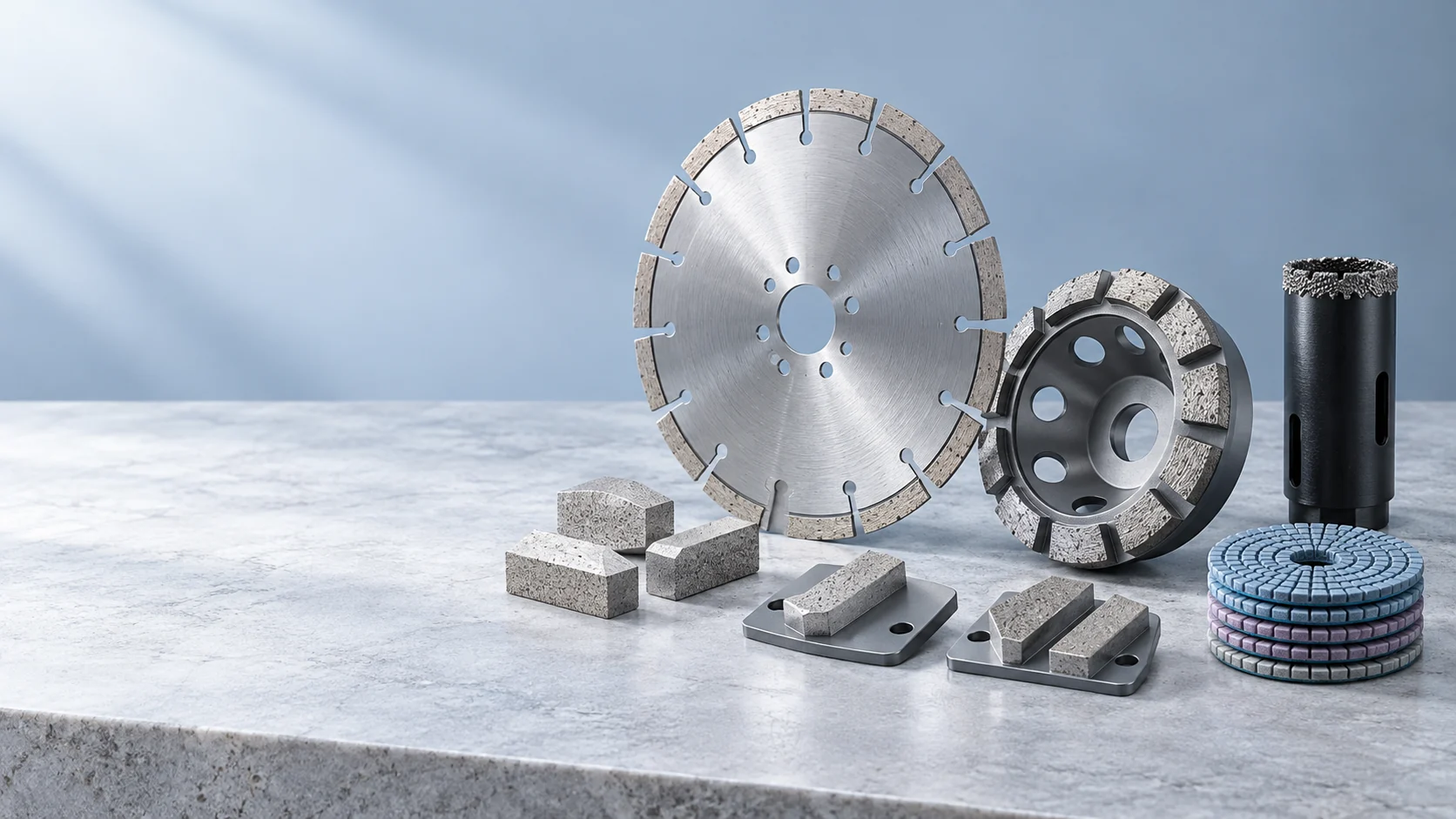
Concept still life of cutting, grinding and polishing tools
Concept still life of cutting, grinding and polishing toolsCONCEPT VISUAL

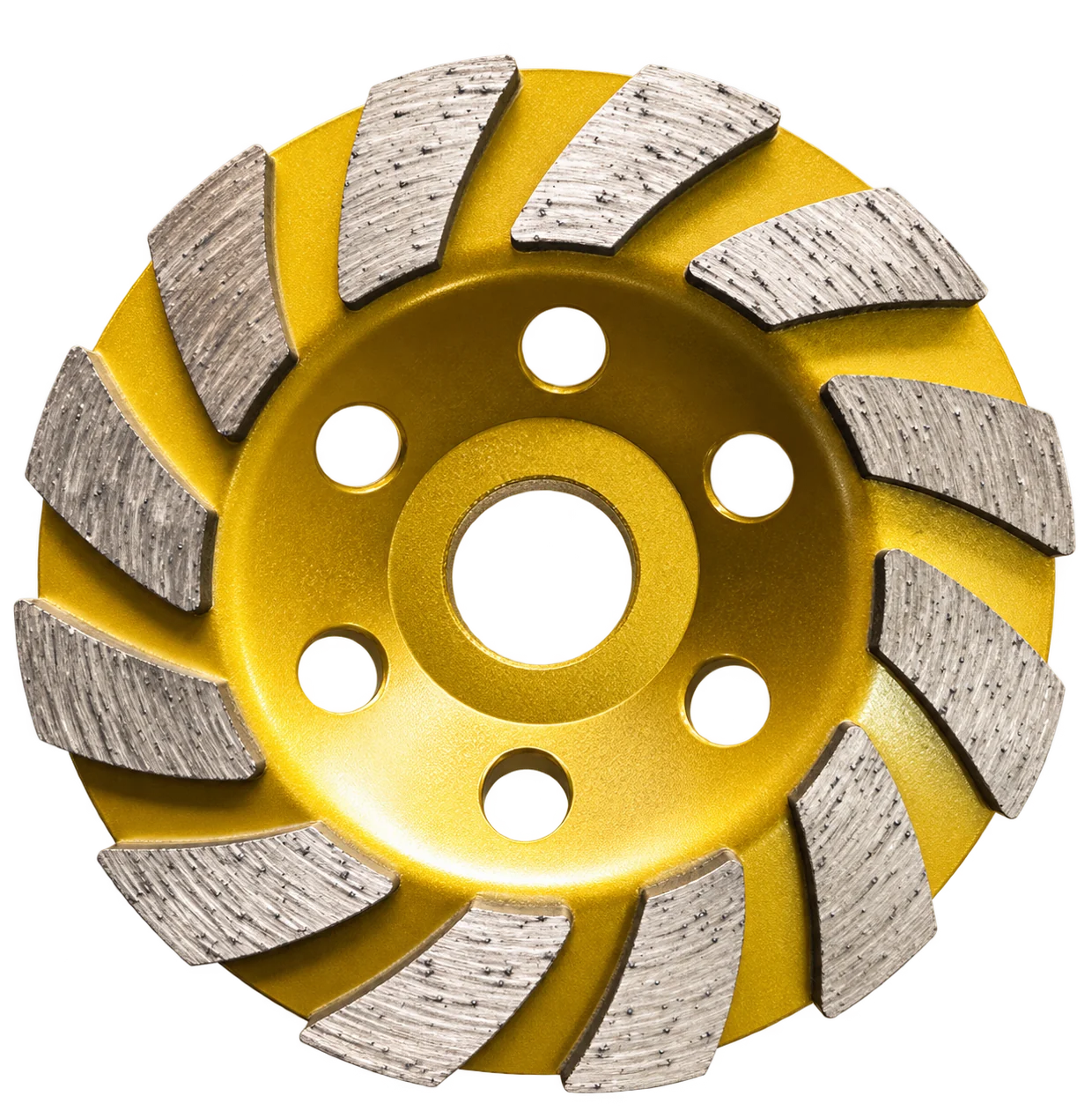
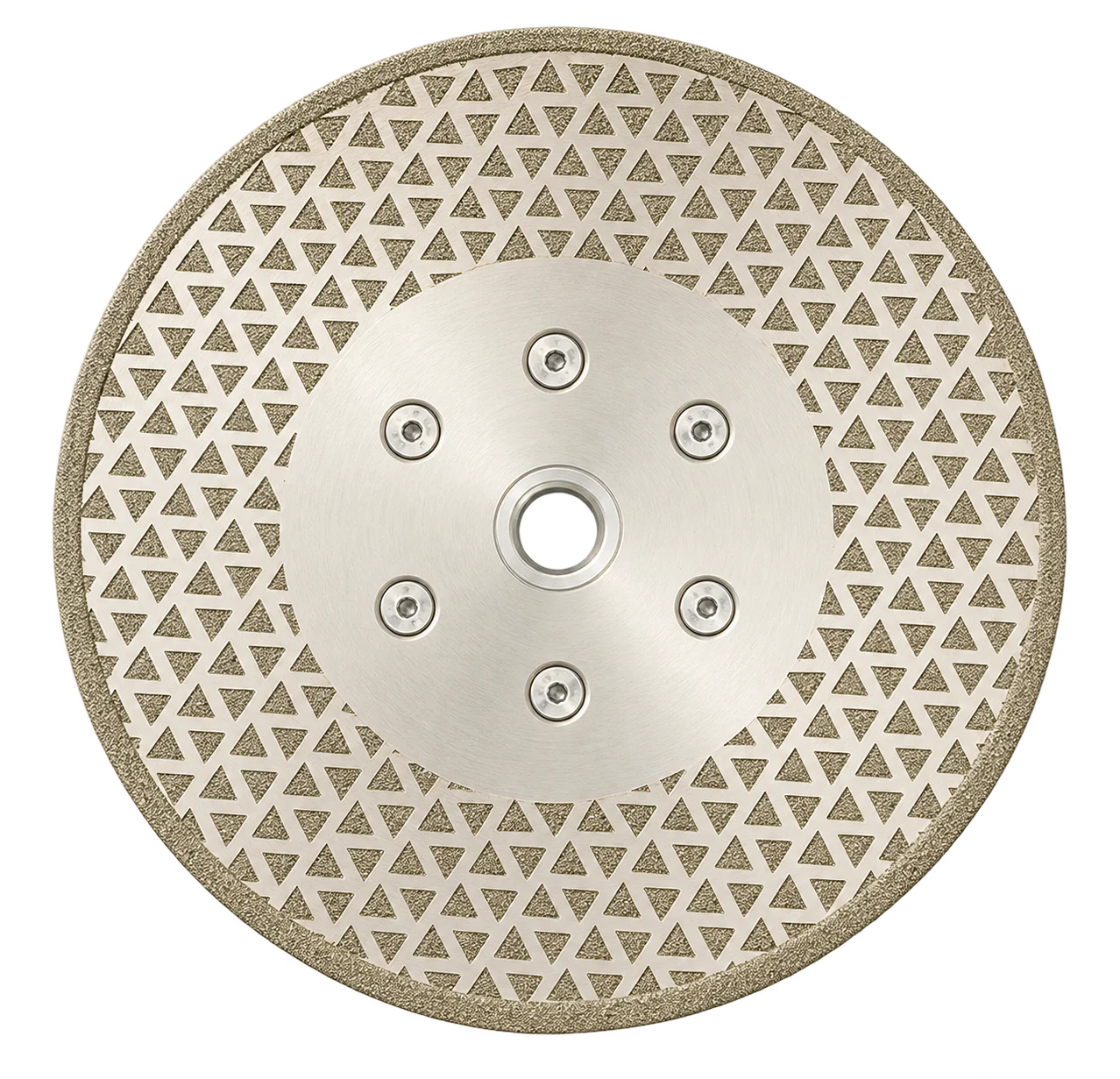
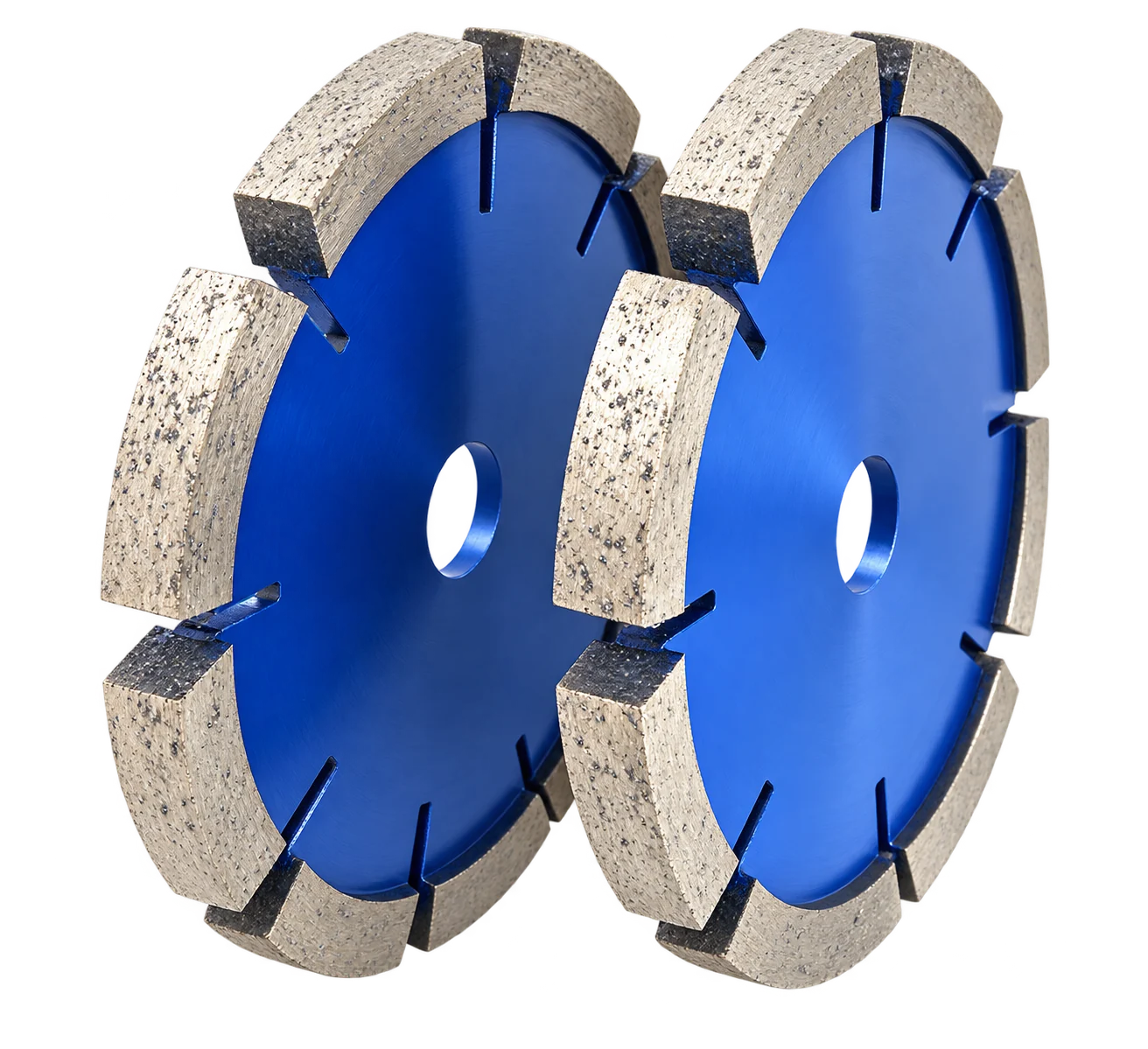
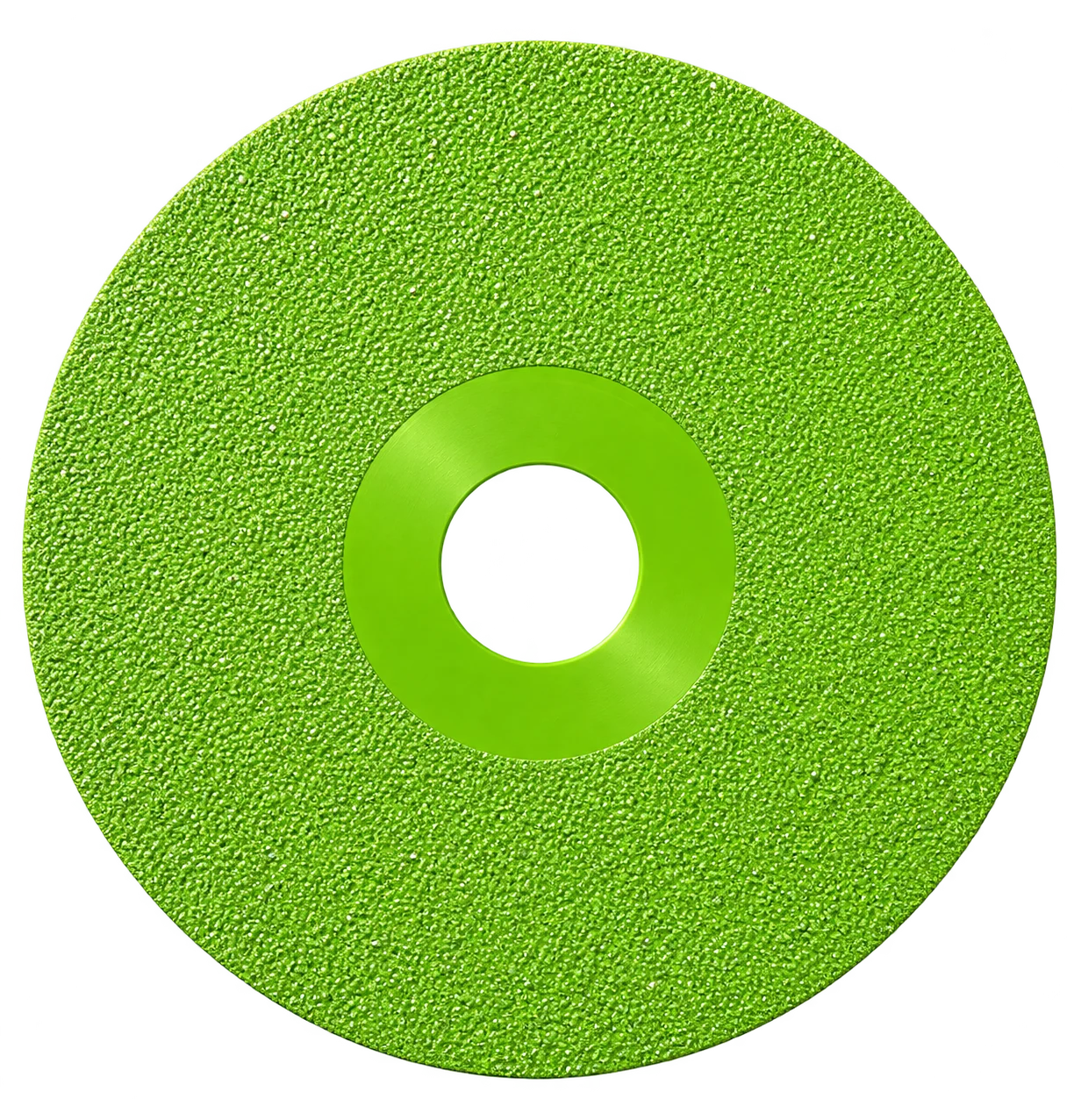
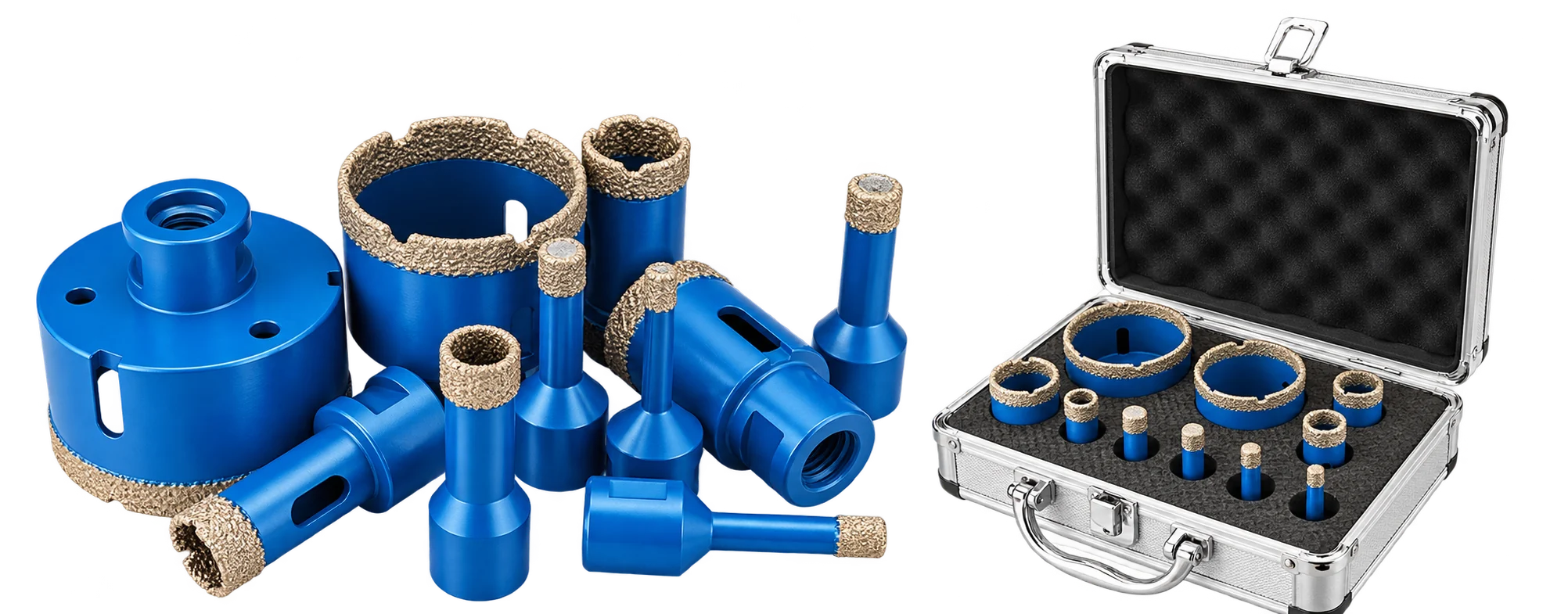
Industrial diamond tooling catalog: Review diamond saw blades, segments, floor grinding shoes, and polishing pads formulated for granite, marble, sintered stone, ceramic tiles, and industrial concrete floors. Match bond matrix hardness and cooling methods to your machine power.

Not sure which tool fits your job? Try the 3-Step Wizard

Filter preliminary candidates by material and machine type, then confirm fitment and job conditions

Diamond Tool Models & Specifications

Formulated to match workpiece hardness, machine power and operating linear speed.

Material:
Cooling:
BUYING GUIDE · TECHNICAL SELECTION

How Do You Select the Right Diamond Tool for Your Material and Machine?

Diamond tooling performance depends on matching the bond hardness to workpiece abrasiveness, spindle power, and coolant delivery.

Diamond Tool Categories and Operating Envelope Comparison

Tool CategoryTarget MaterialsStandard Geometry / FormPrimary Application & Cooling
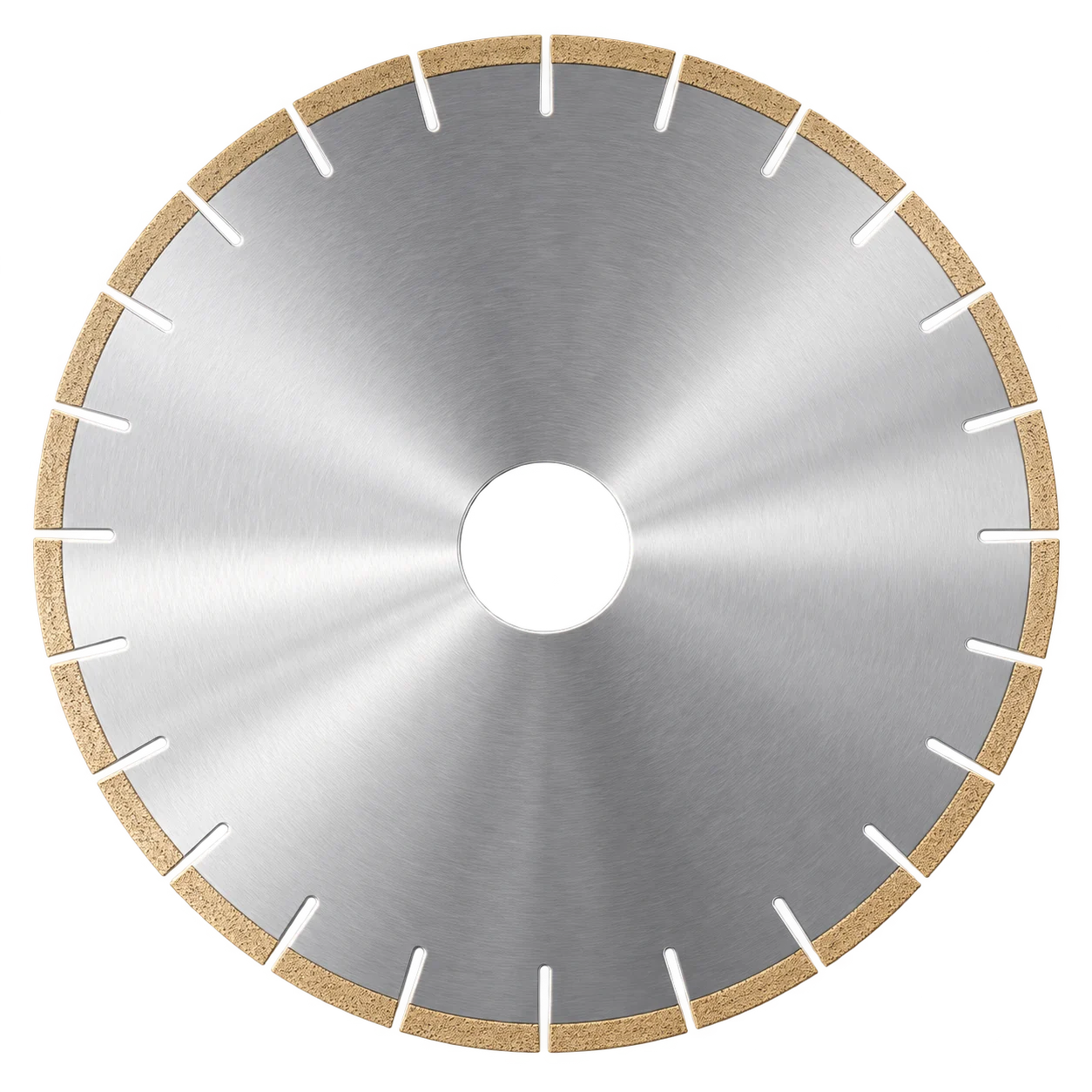
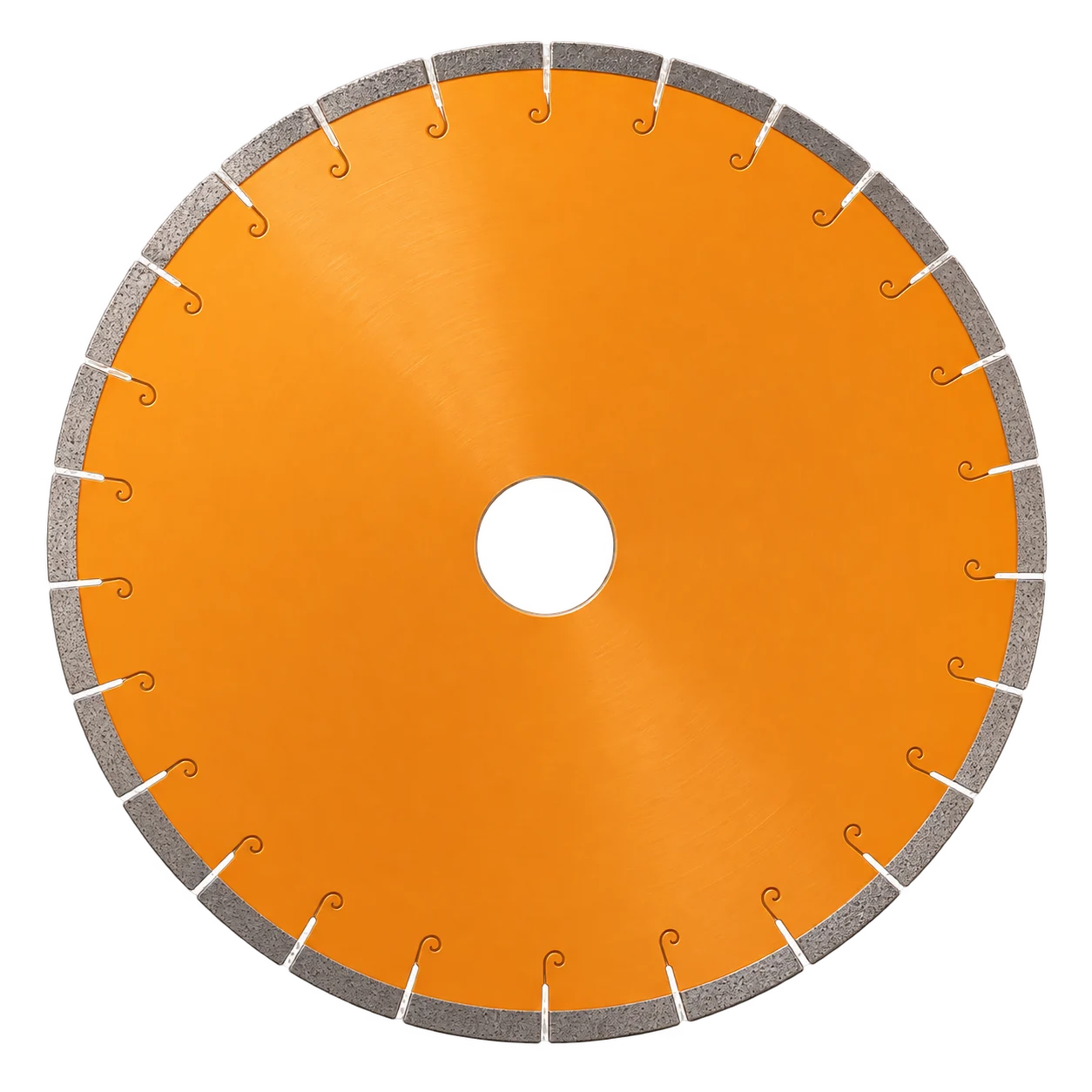
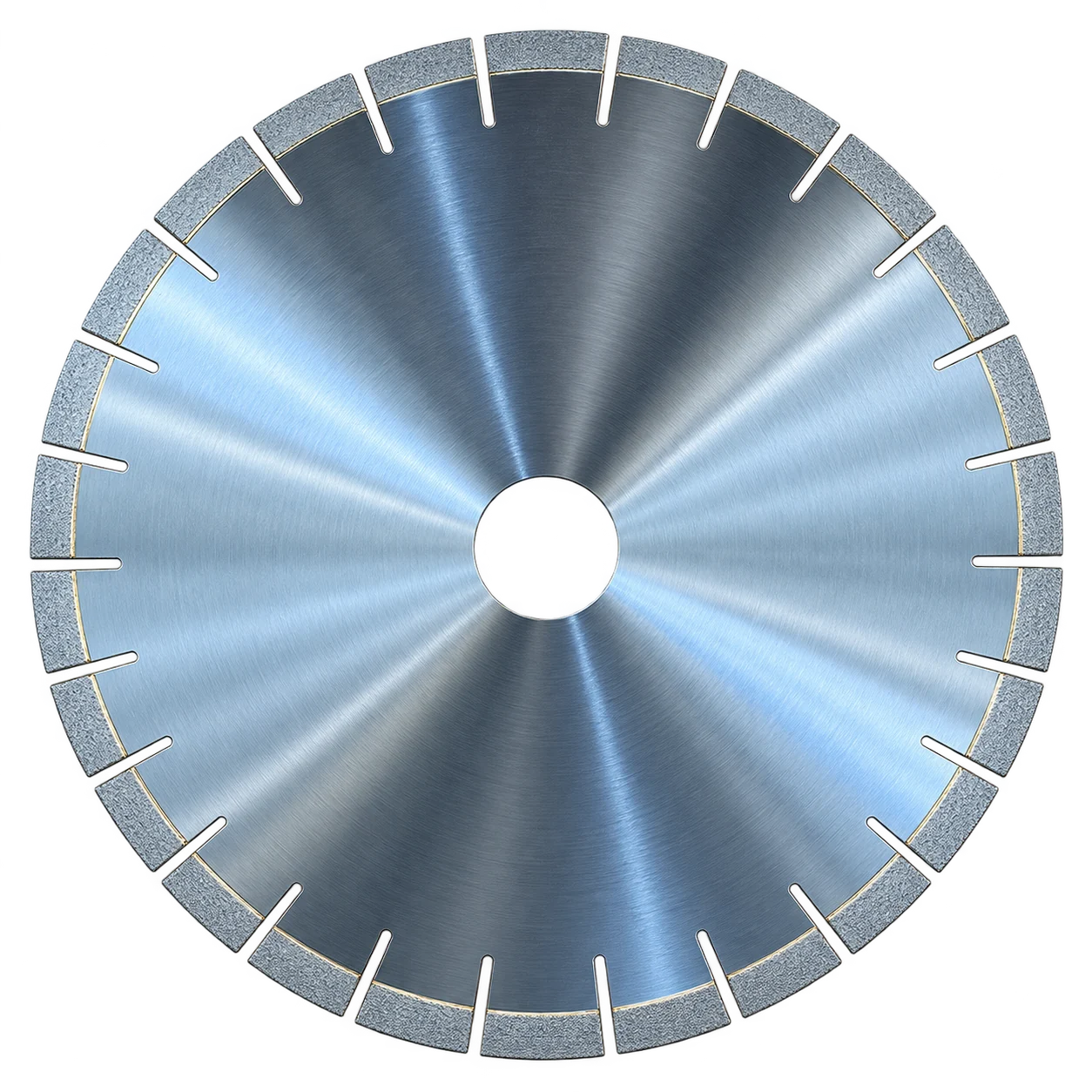
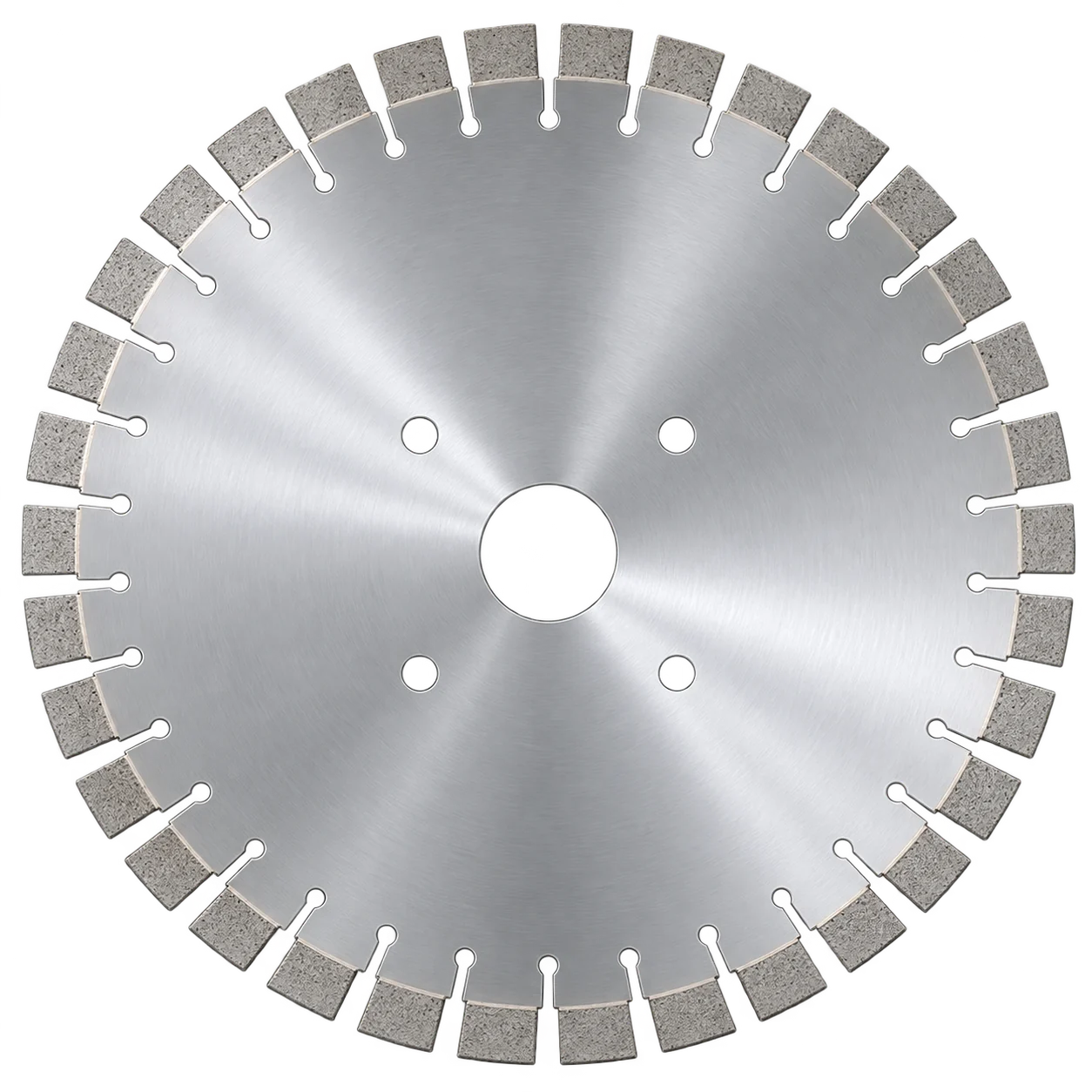
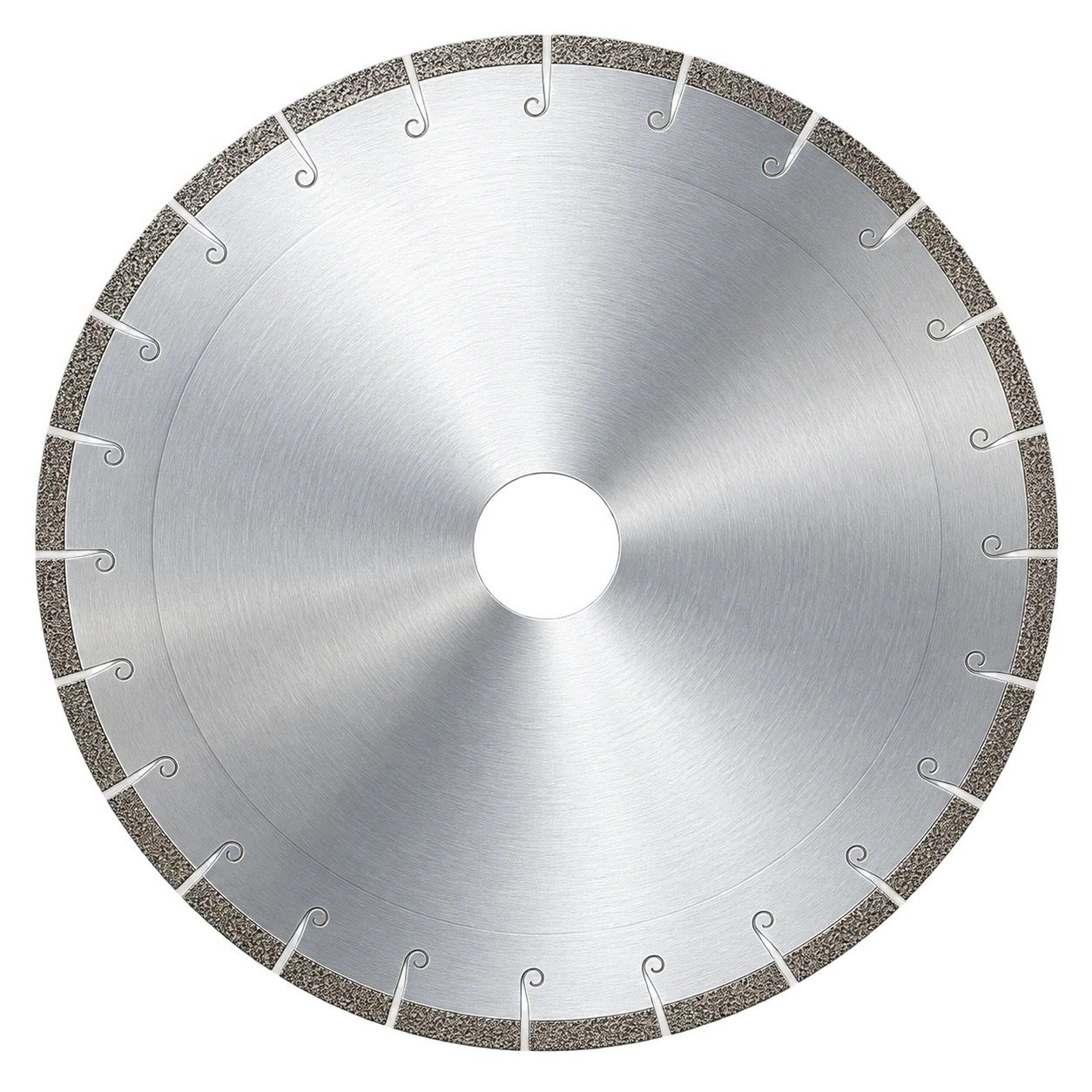
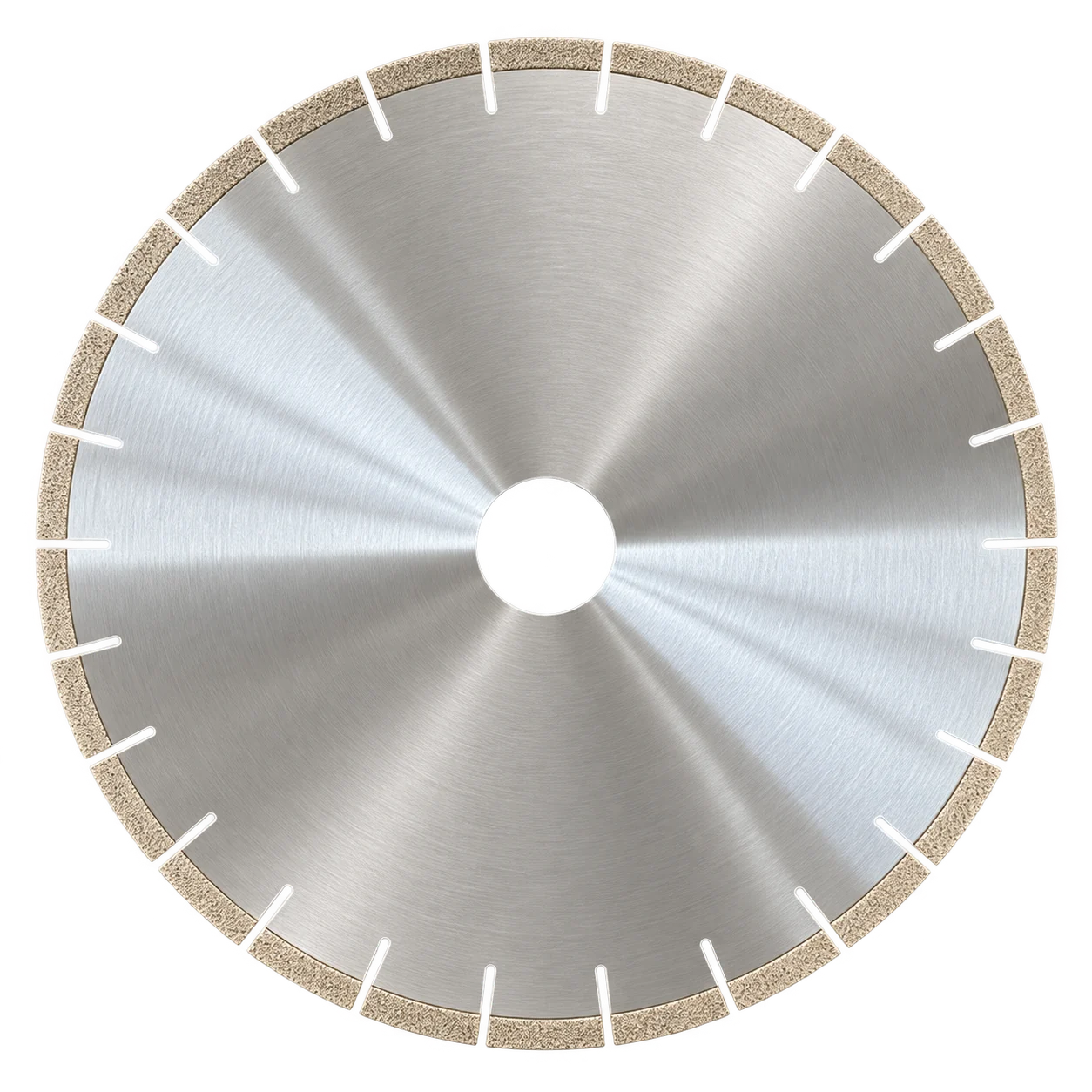
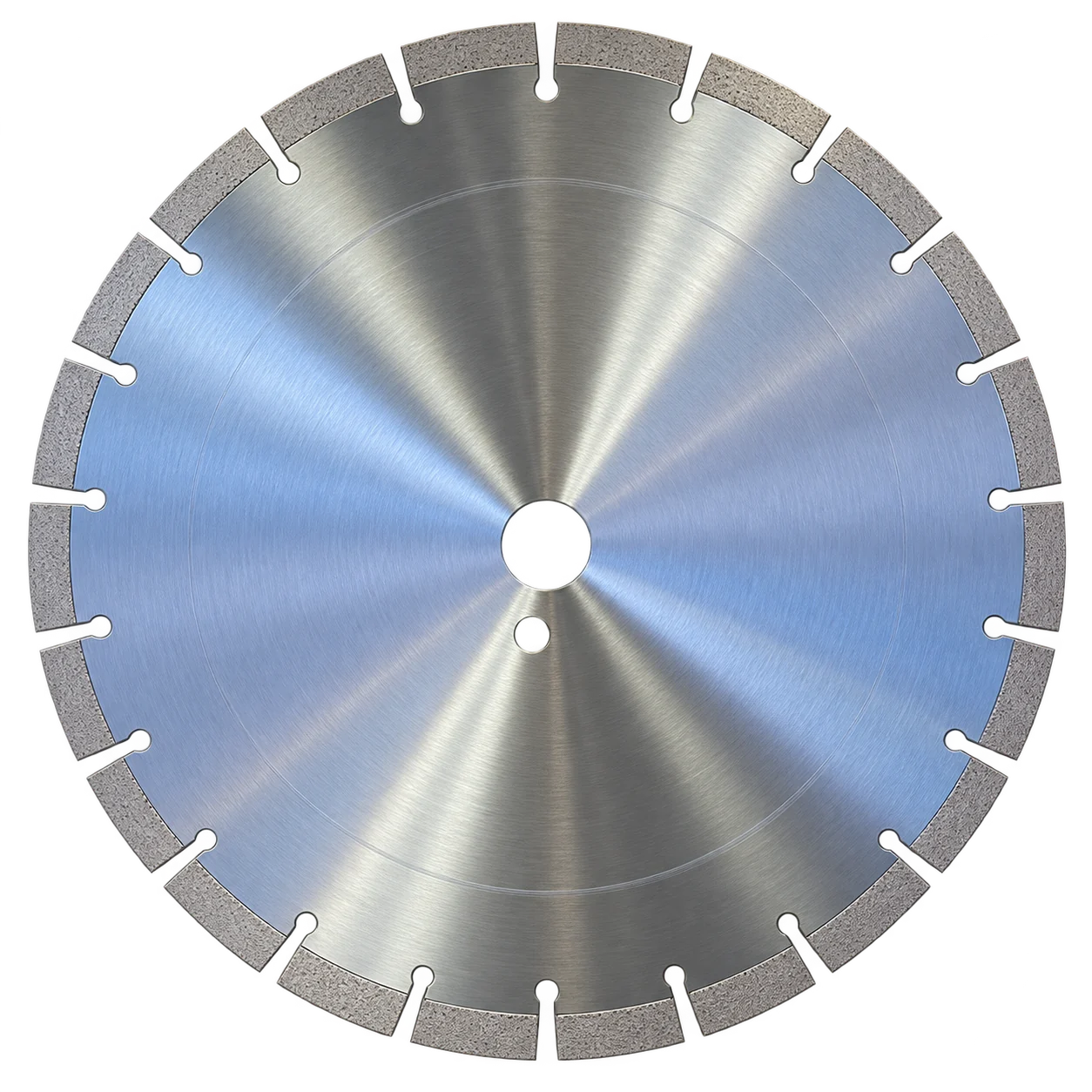
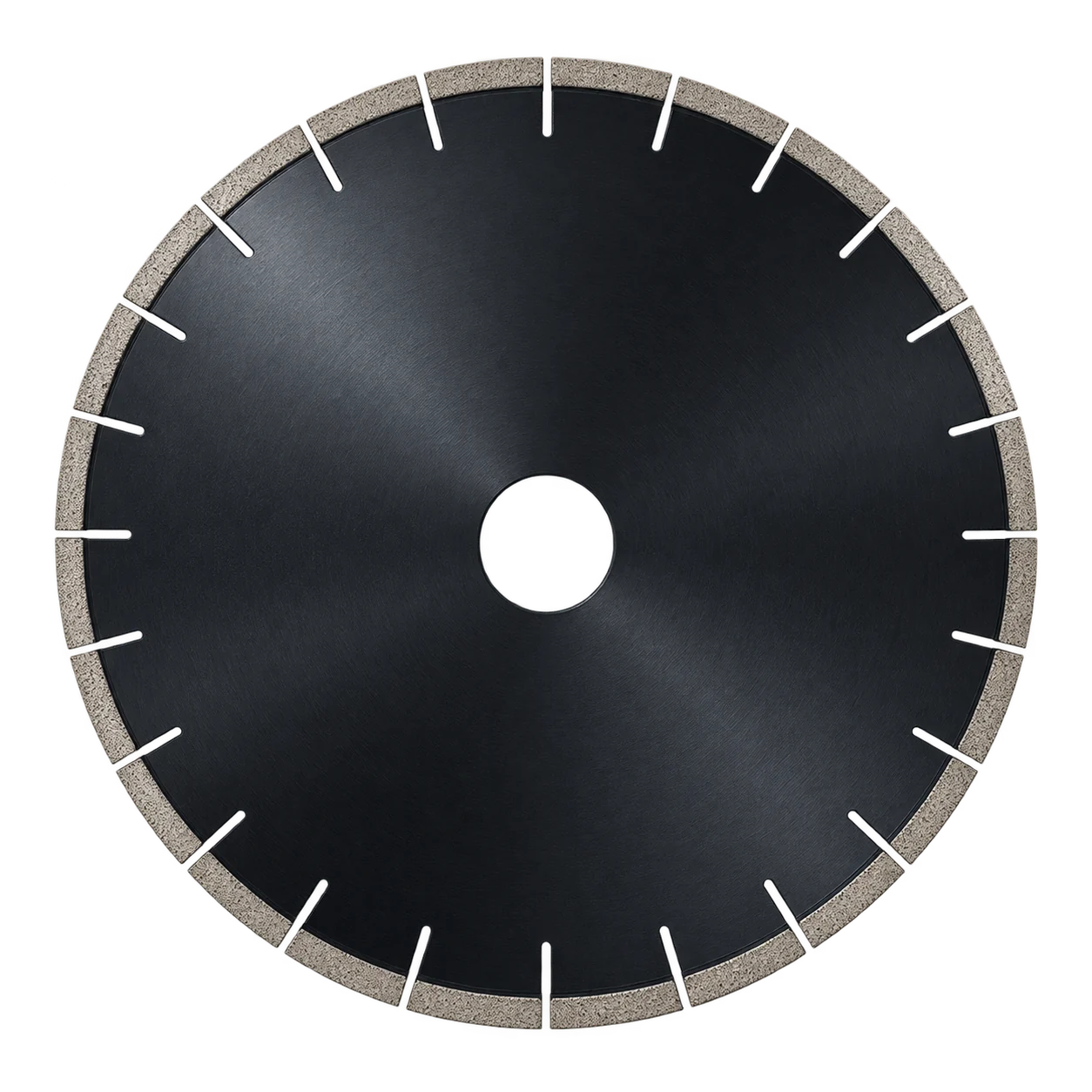
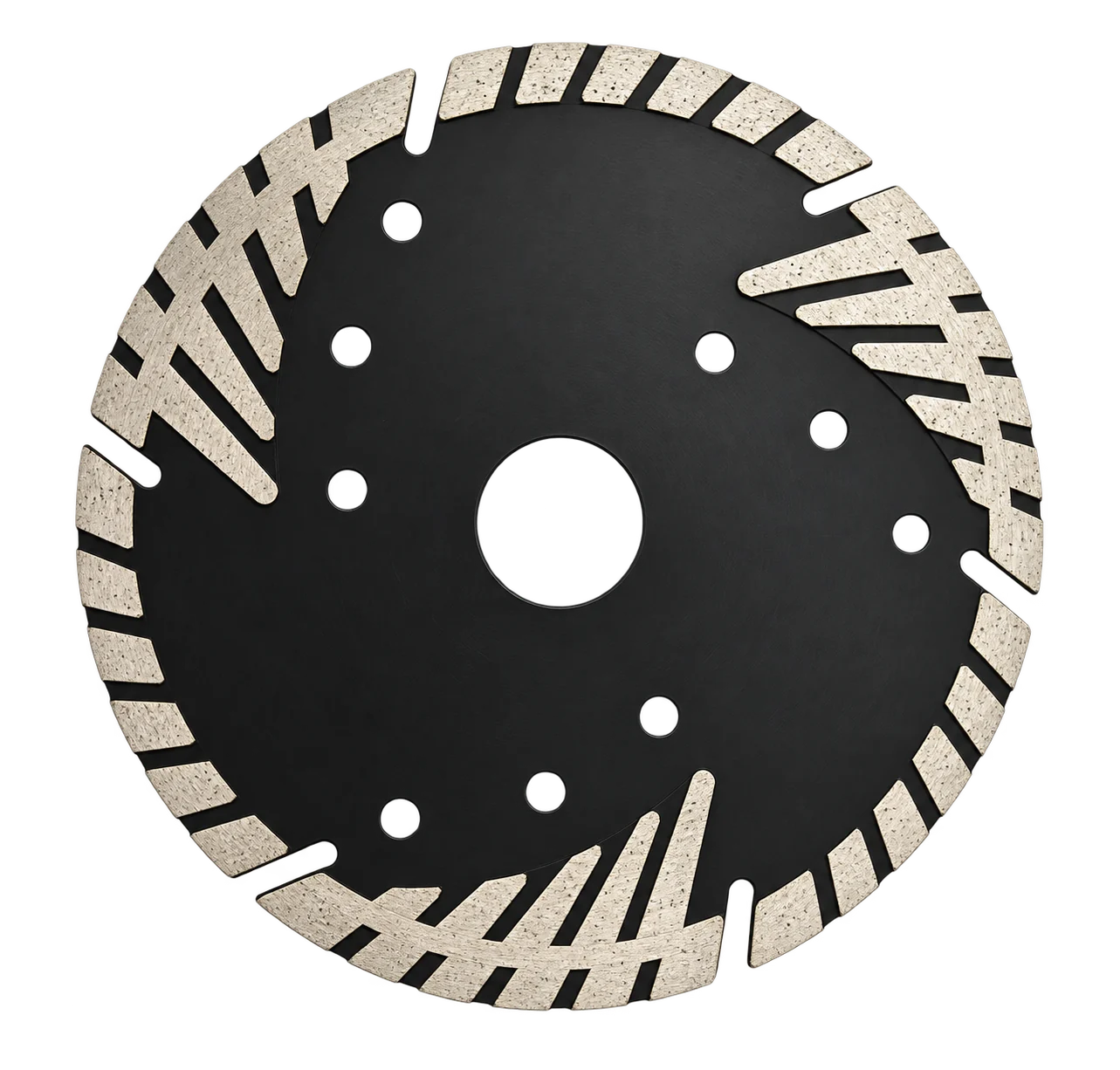
Diamond Saw BladesGranite, marble, sintered stone, concrete115mm to 800mm, Keyhole, J-slot, U-slotBridge saws, handheld cutters, wet or dry cut
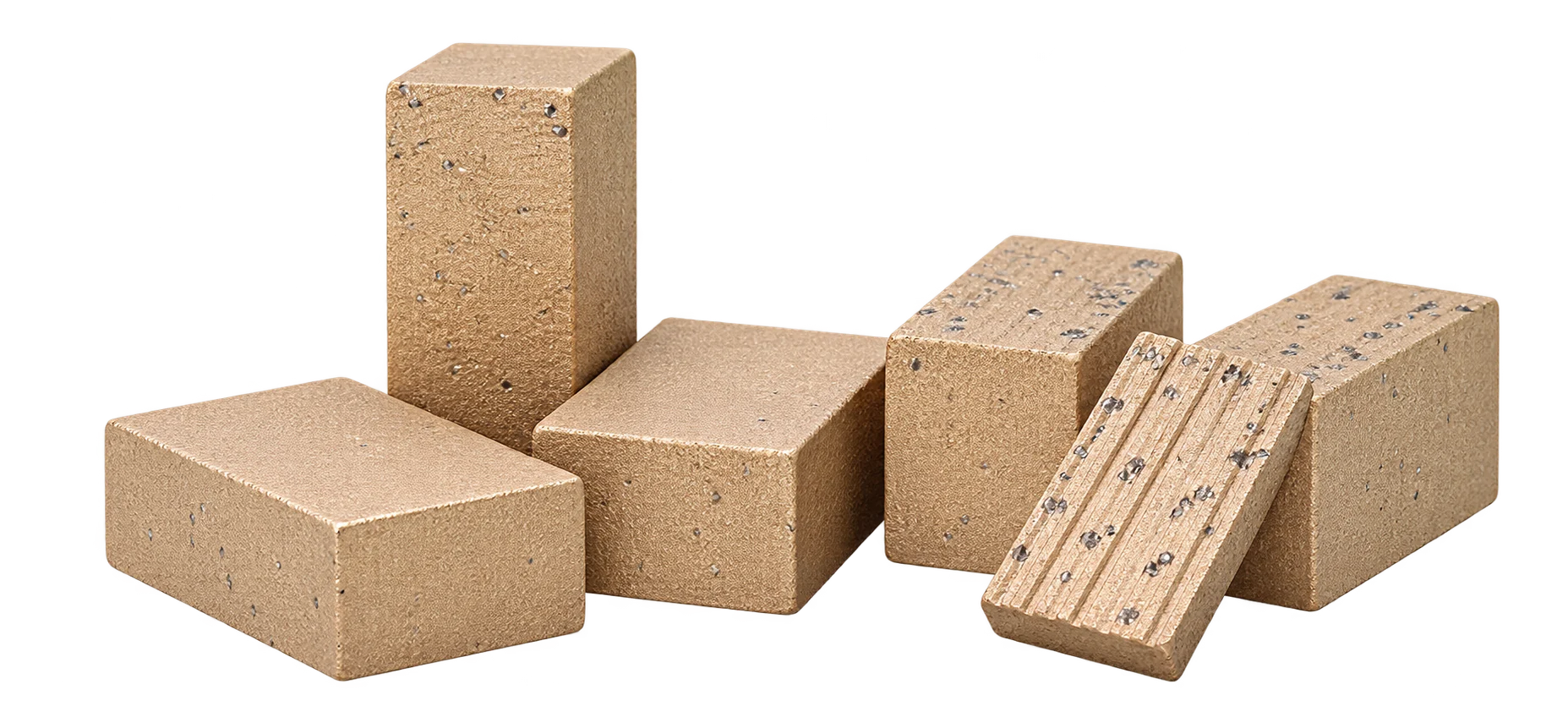
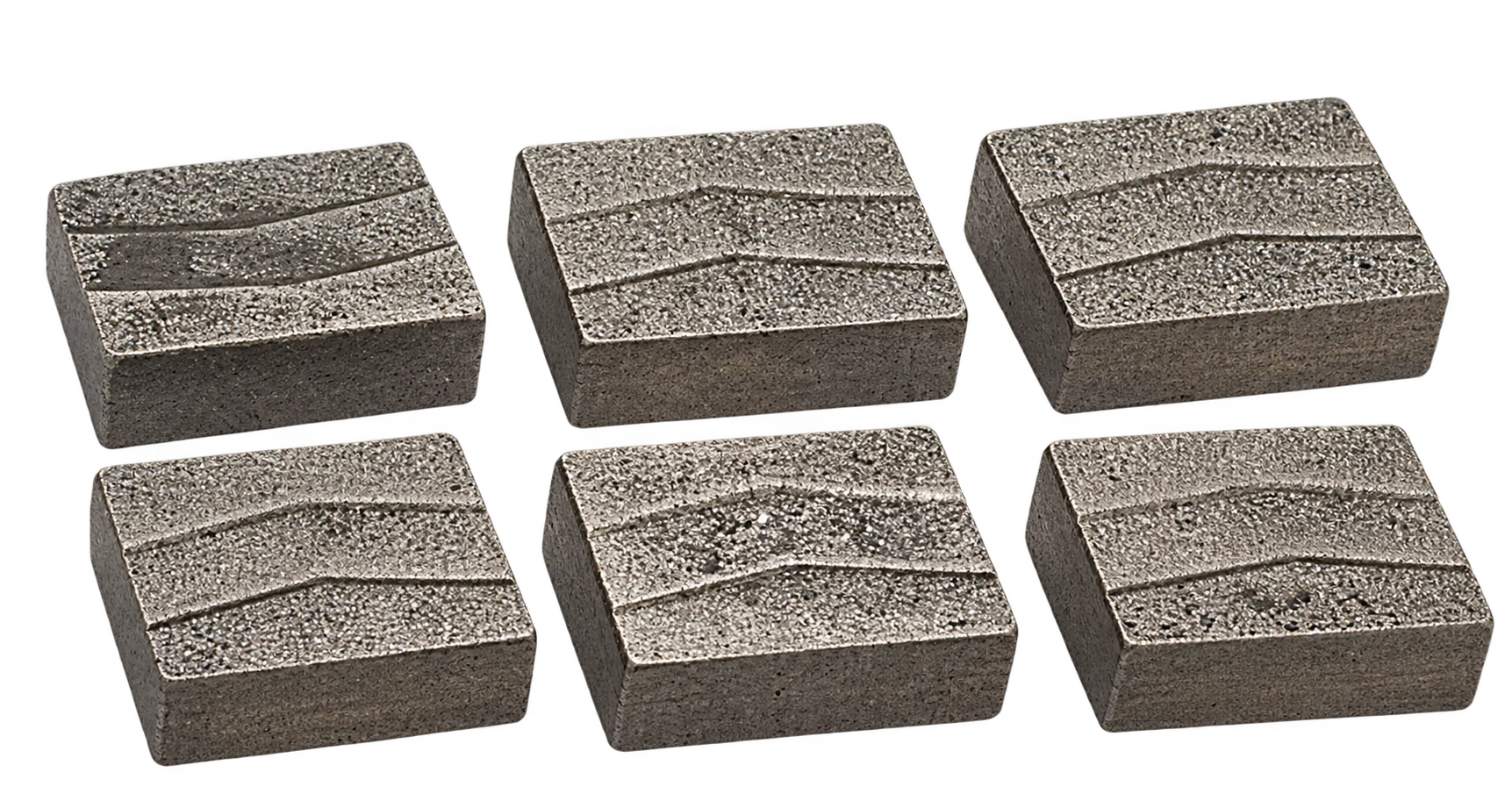
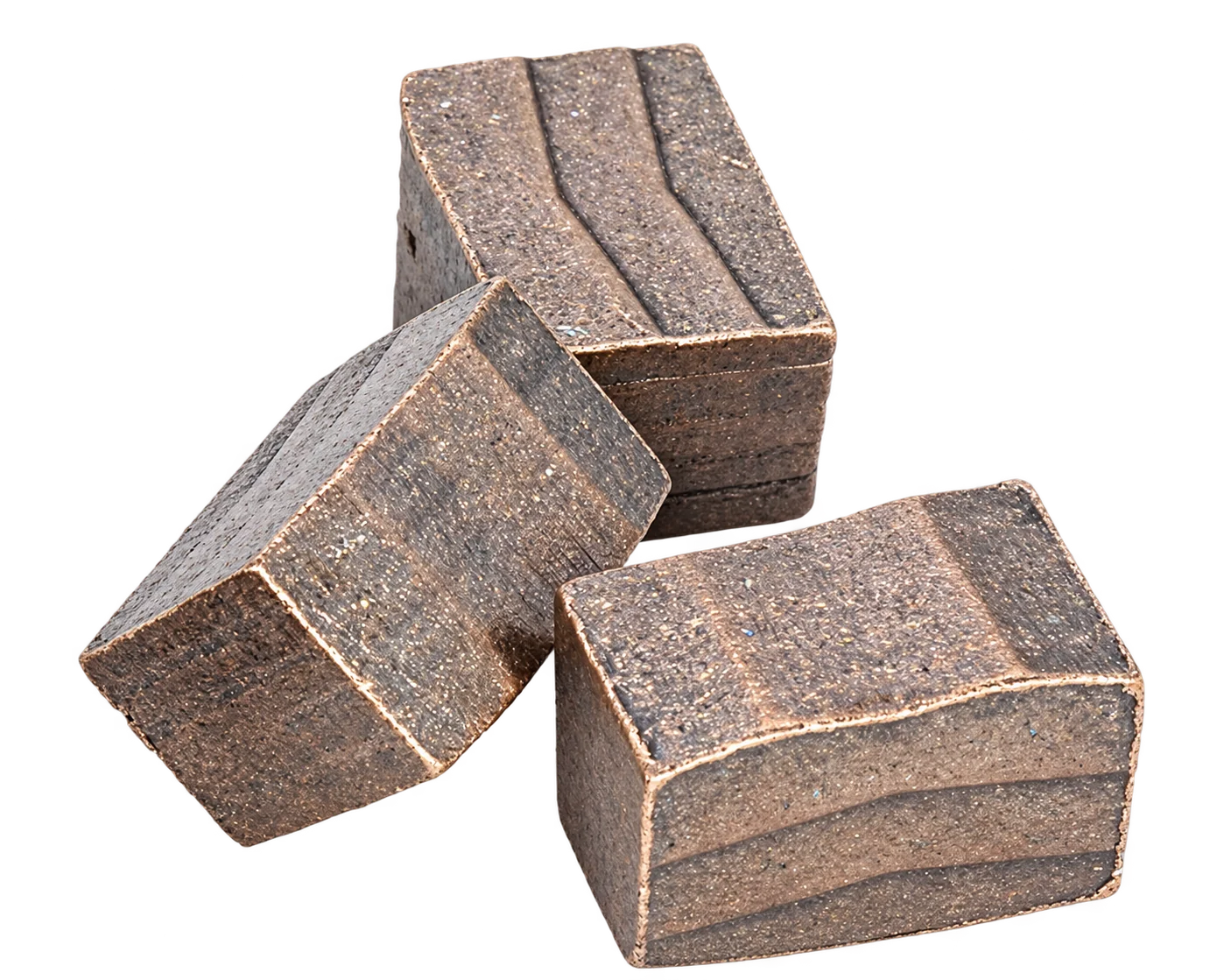
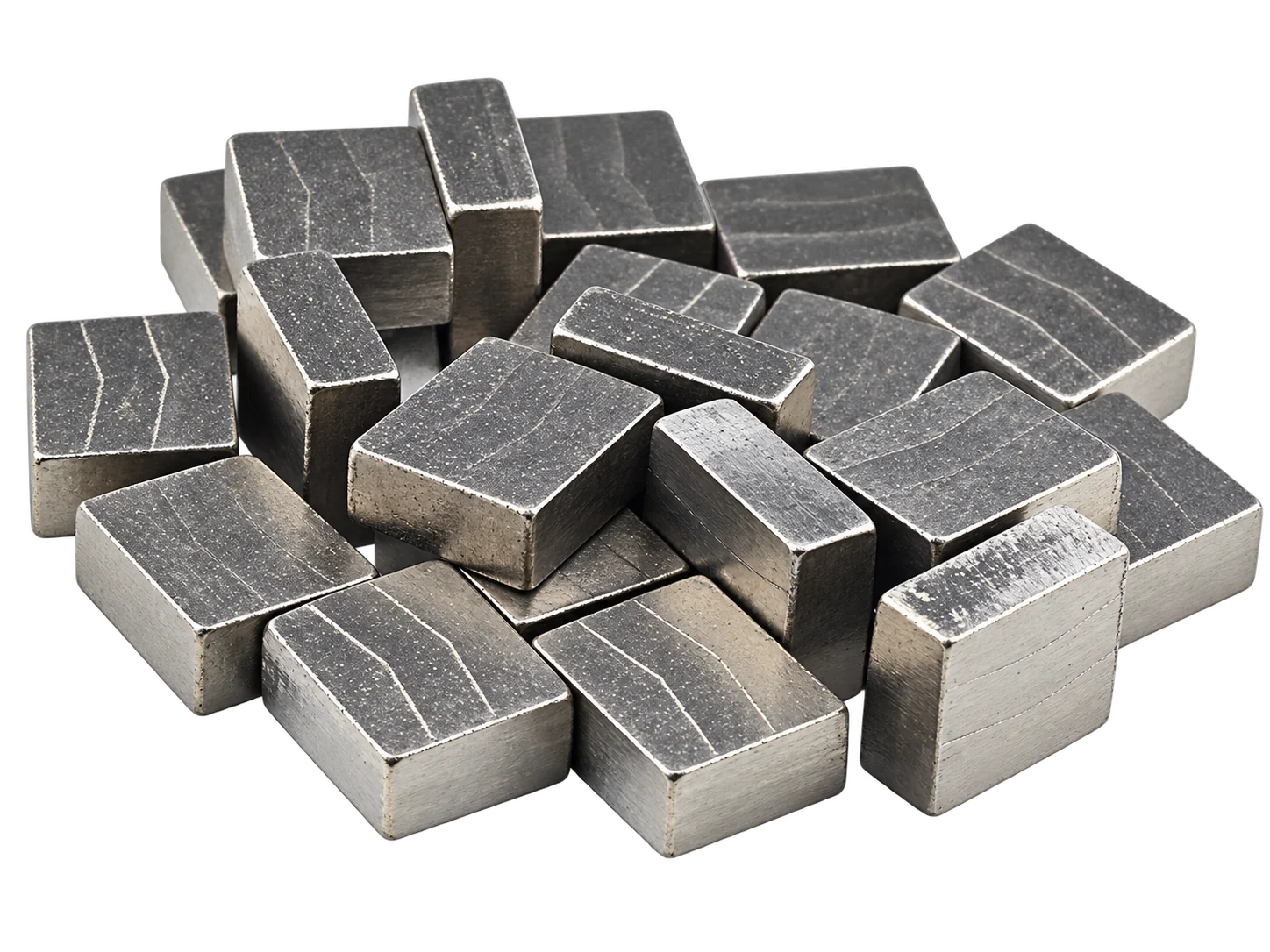
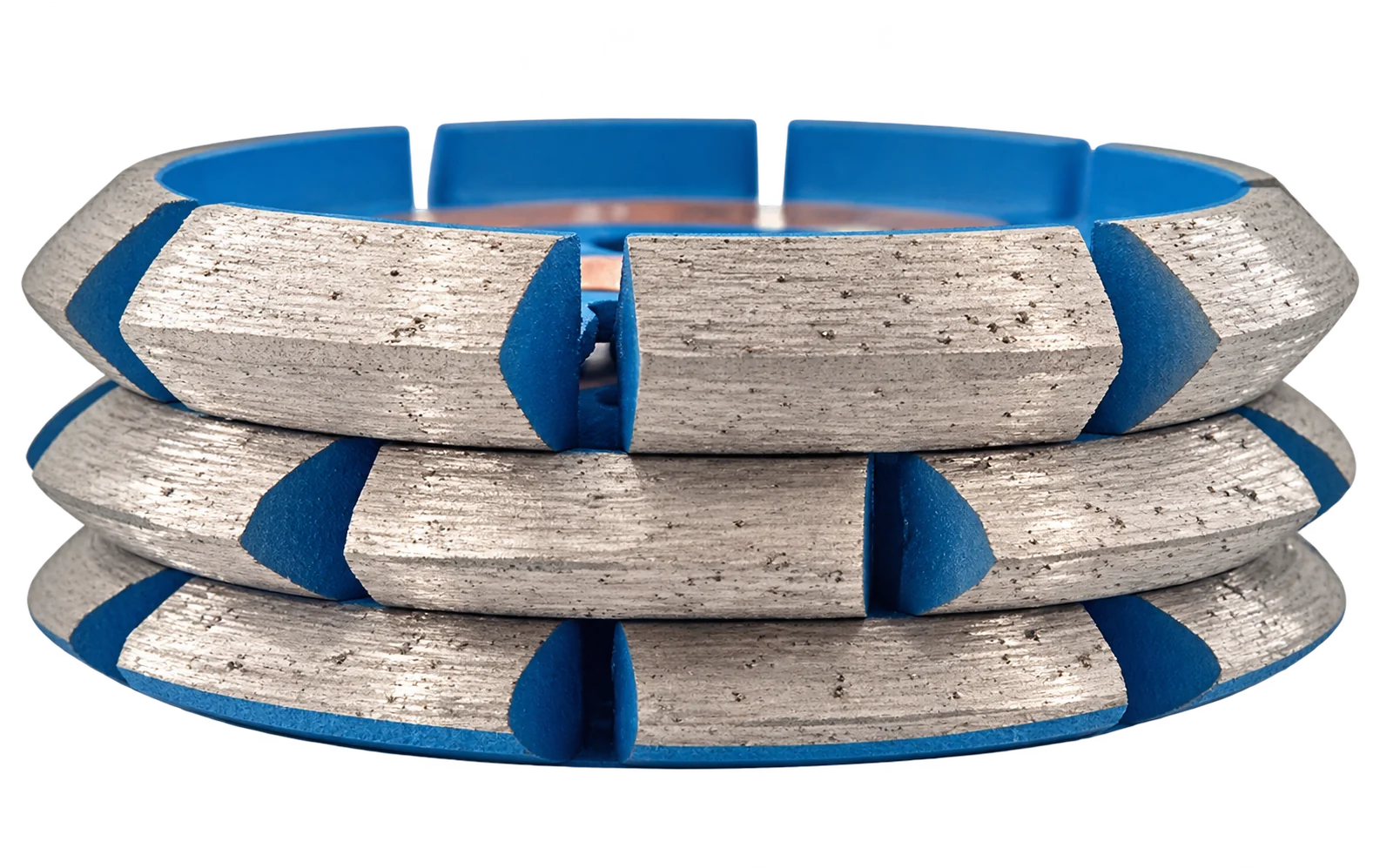
Diamond SegmentsGranite blocks, marble slabs, sandstoneM-shape, sandwich layered, 20mm to 40mm lengthMulti-blade block cutters and gang frame saws
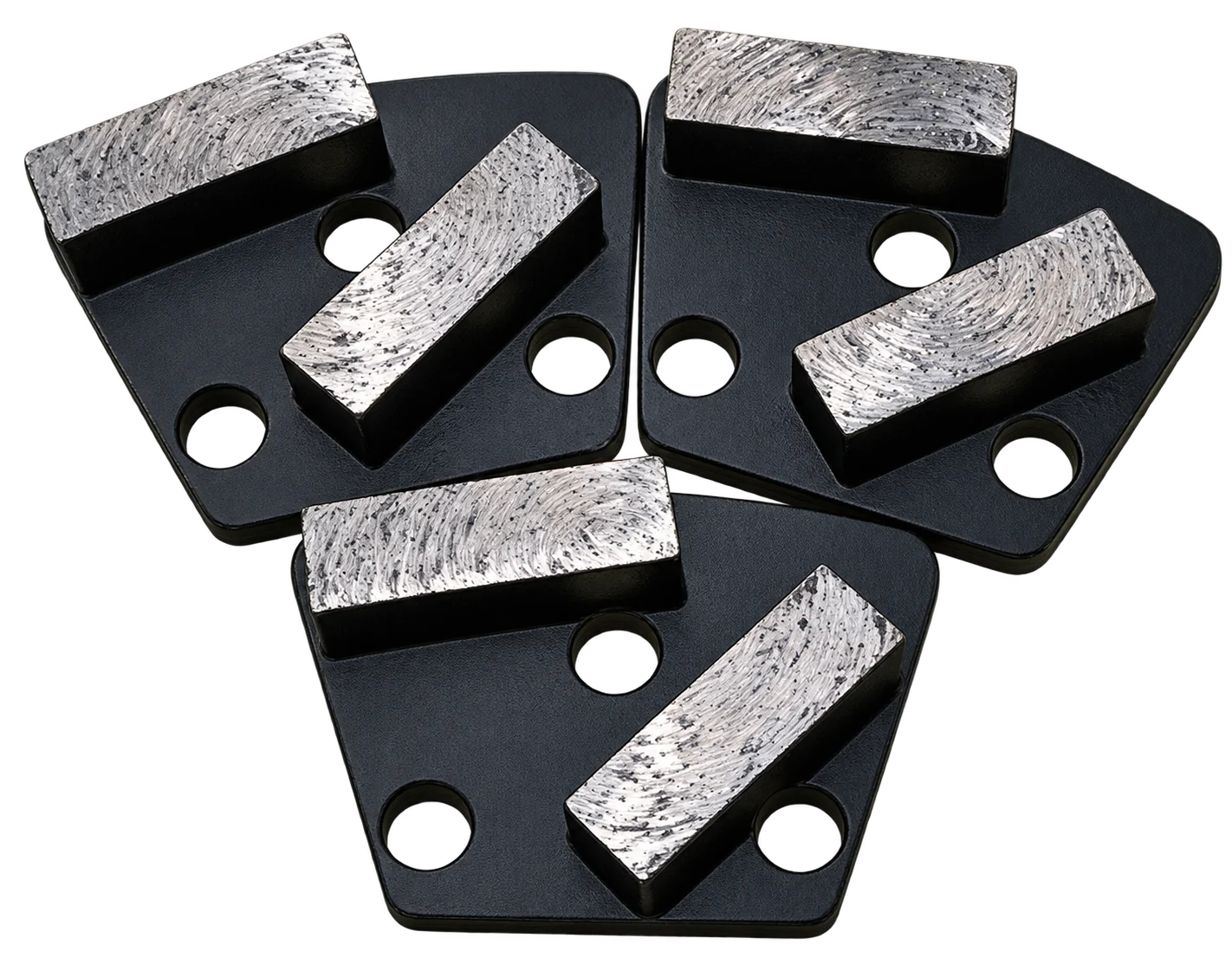
Floor Grinding ShoesC20 to C50 concrete, terrazzo, epoxy coatingsRedi-lock, trapezoid, 16# to 120# metal bondPlanetary floor grinders, dry or wet prep
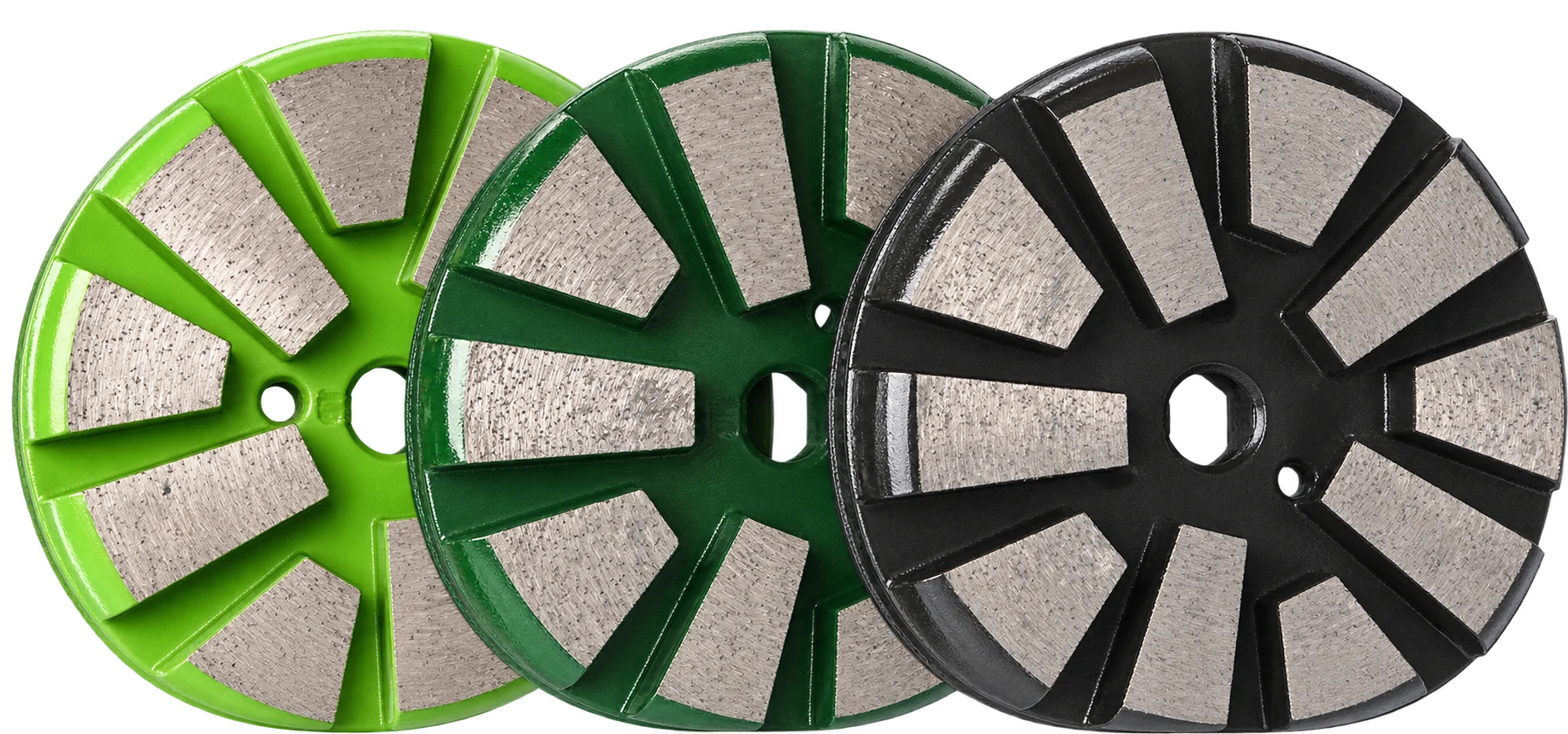
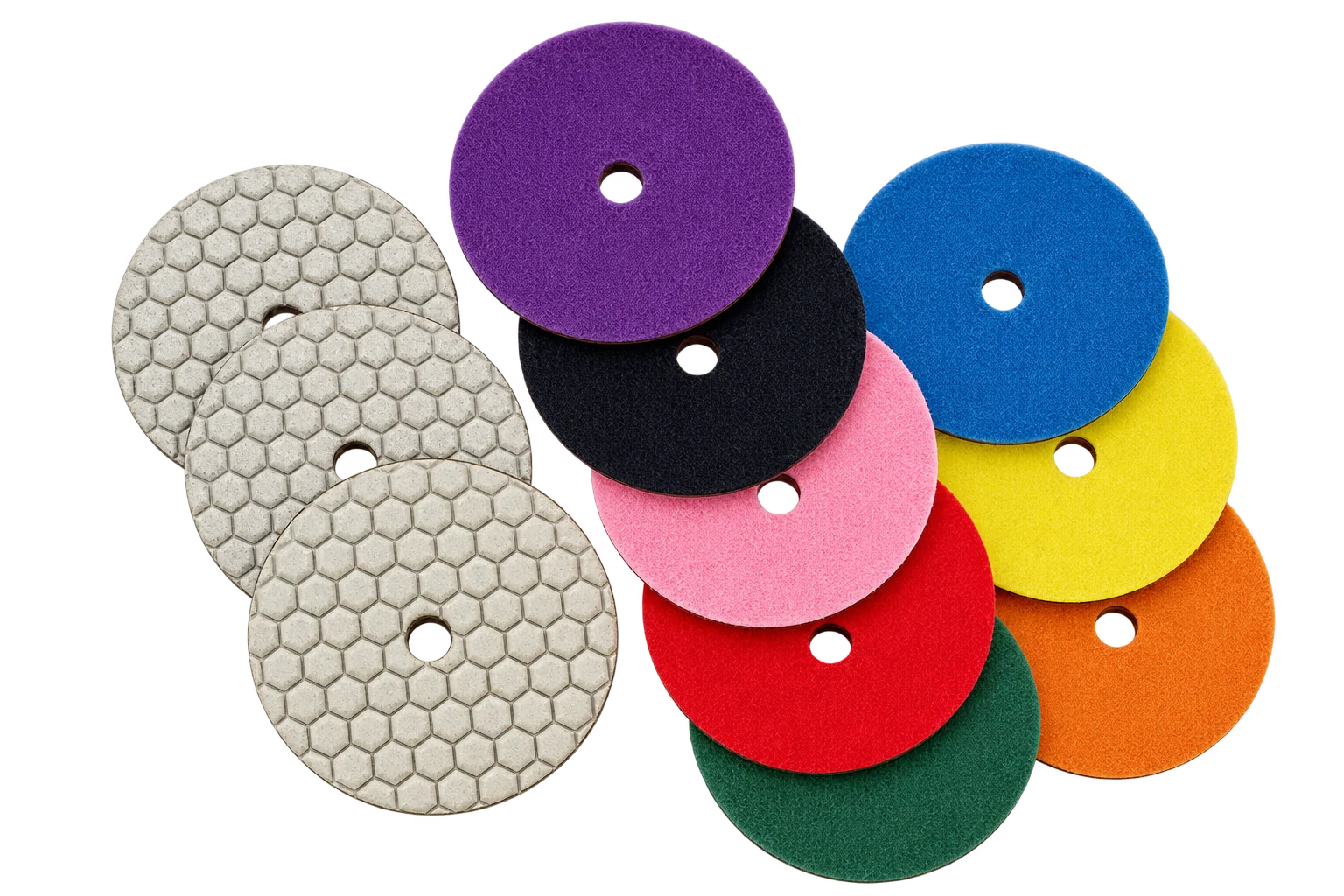
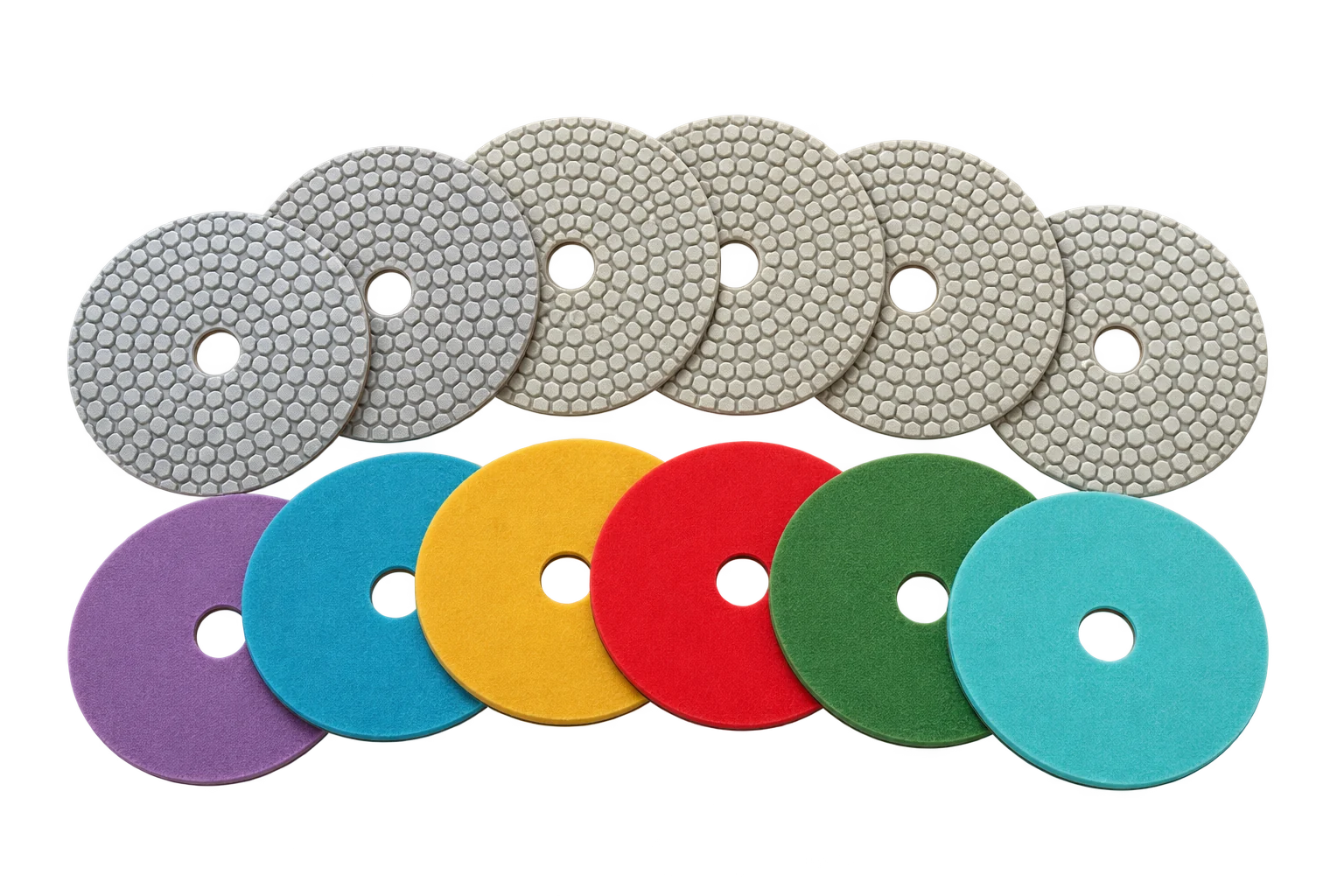
Diamond Polishing PadsGranite, engineered stone, porcelain, marble3 to 5 inch, flexible resin bond, #50 to #3000Edge profiling, face polishing, dry or wet

Key Diamond Tooling Terminology Explained

Bond Hardness Matrix

The metallurgical metal or resin alloy that holds diamond grit. Hard bonds resist abrasion when cutting soft, highly abrasive materials; soft bonds wear away freely to expose fresh sharp diamonds on hard, dense materials.

Peripheral Linear Speed

The tangential velocity of diamond blade segments at the rim. Calculated as (Pi * Diameter * RPM) / 60,000. Matching linear speed to rock quartz hardness prevents segment glazing and core vibration.

Sandwich Segment Architecture

A multi-layer segment design where the outer layers feature higher diamond concentration or harder bond than the inner core, creating an automatic concave profile that maintains cutting direction and prevents blade deflection.

Frequently Asked Questions on Tool Selection

Q1.Why does my diamond saw blade glaze over and stop cutting?

Glazing occurs when the bond matrix is too hard for the workpiece. Spent diamonds round off without falling away, causing friction. Dressing the blade on abrasive refractory brick or switching to a softer bond matrix resolves the issue.

Q2.How do I choose between silent core and standard steel core blades?

Silent cores incorporate a copper or polymer dampening layer between two steel plates, absorbing high-frequency harmonics and cutting blade noise. They also dampen vibration on brittle substrates like sintered stone, though they require stable water cooling.

Q3.What technical parameters are needed before requesting a custom tooling quote?

Prepare the exact workpiece material type, machine spindle power in kW, operating RPM, target tool diameter, bore size, drive pin dimensions, and cooling water condition. This allows engineers to formulate the exact bond and segment geometry.

Q4.What are the international HS codes for diamond saw blades, core bits, and grinding tools?

Under the World Customs Organization (WCO) Harmonized System: Diamond circular saw blades with working parts of diamond fall under HS code 8202.39; diamond core drill bits are classified under HS code 8207.50; diamond grinding wheels and abrasive cup wheels fall under HS code 6804.21. For import declarations, verify local tariff schedules for exact regional 8-digit or 10-digit subheadings.