01 / THE TOOL COLLECTION

Diamond Saw Blades

Explore diamond tooling by product, material and application. Confirm standard specifications and customization in the catalog.

Matching tools 9 / 23
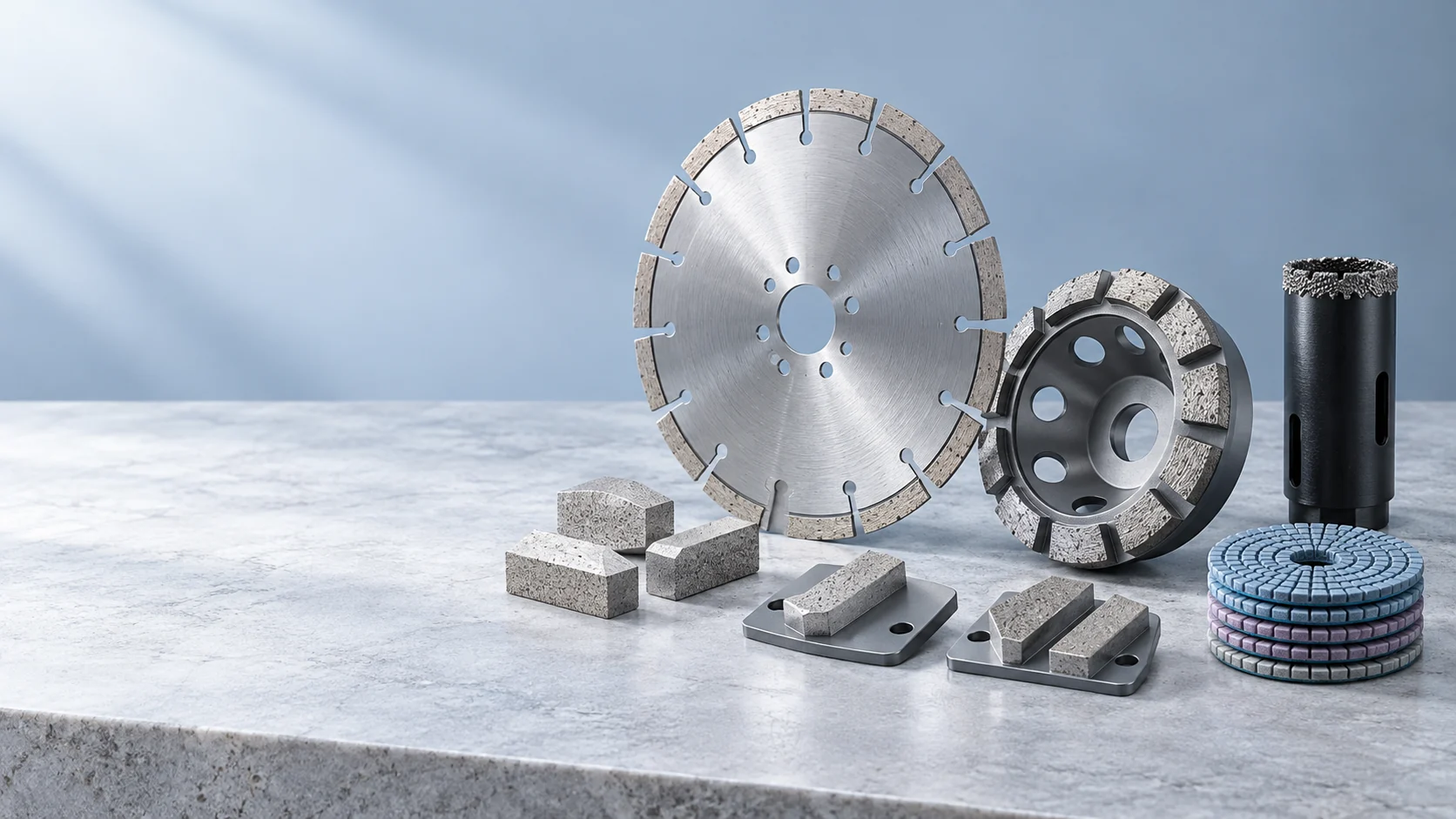
Concept still life of cutting, grinding and polishing tools
Concept still life of cutting, grinding and polishing toolsCONCEPT VISUAL

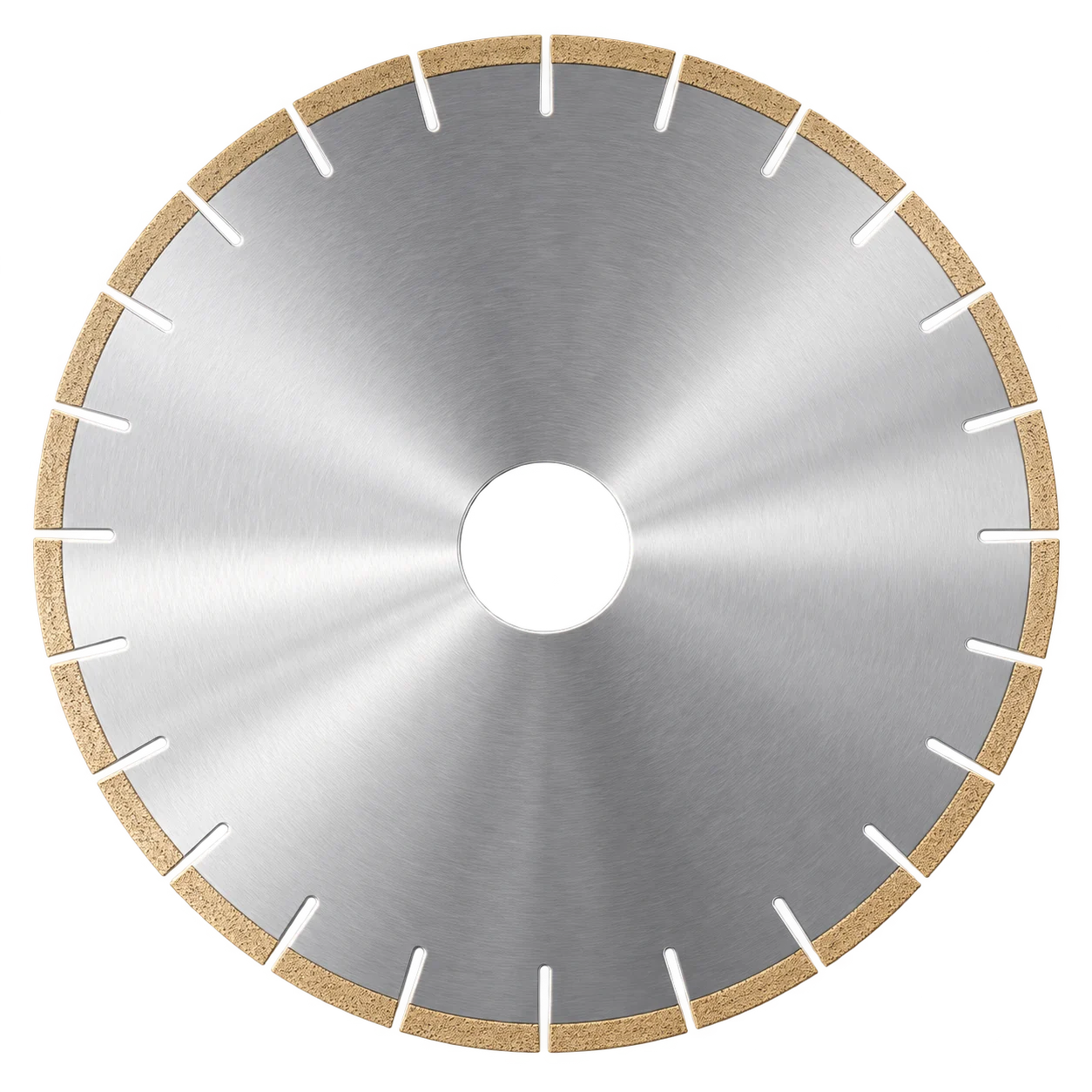
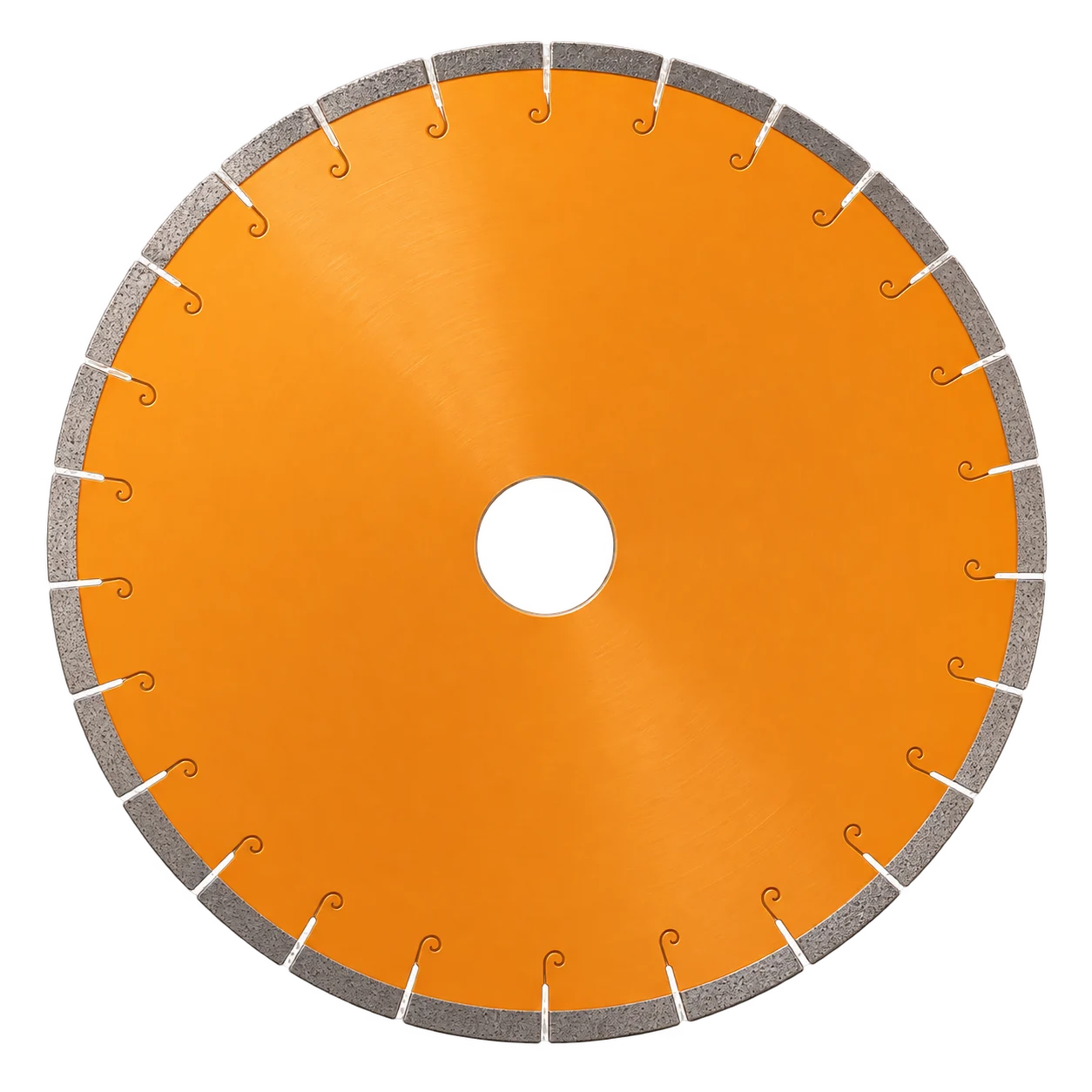
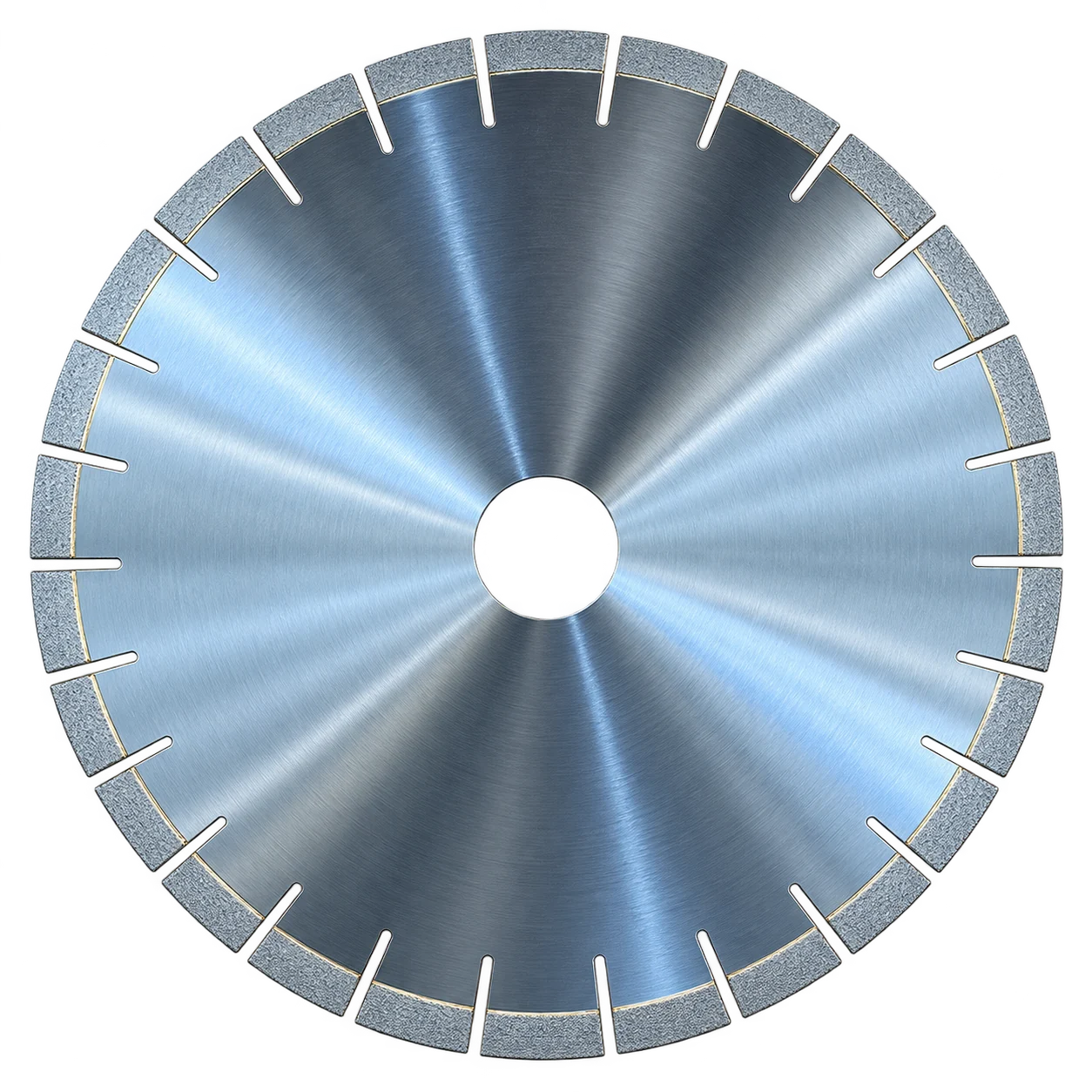
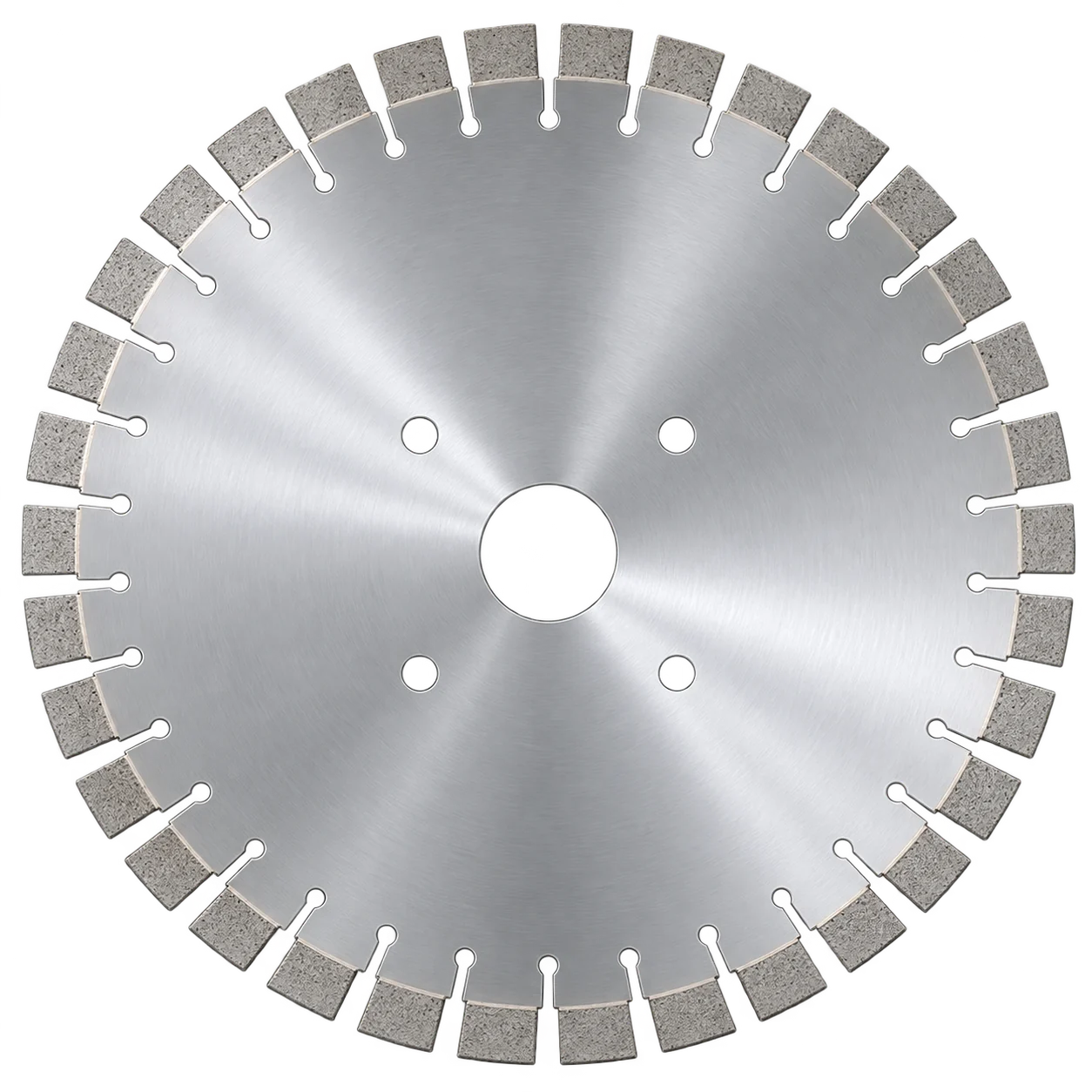
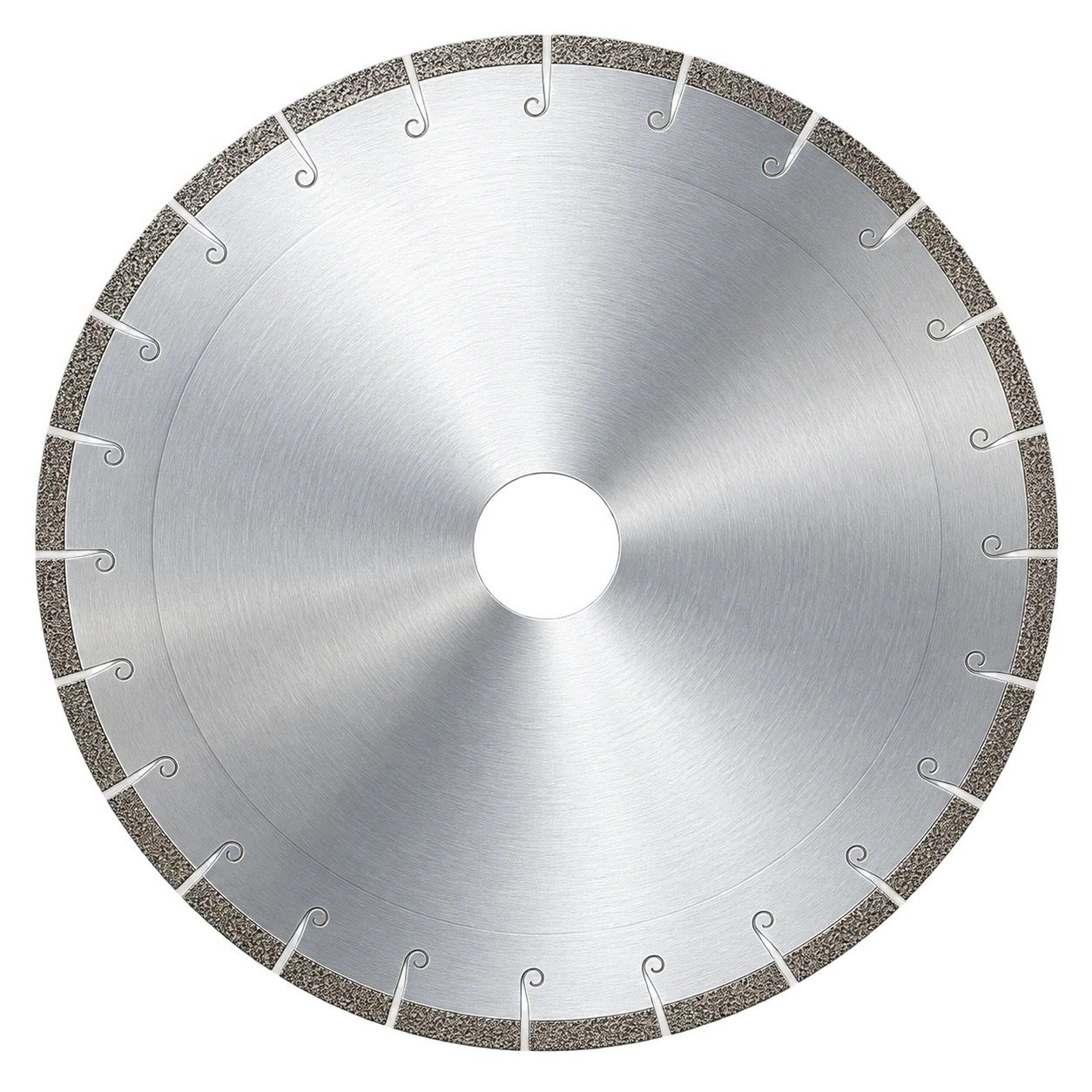
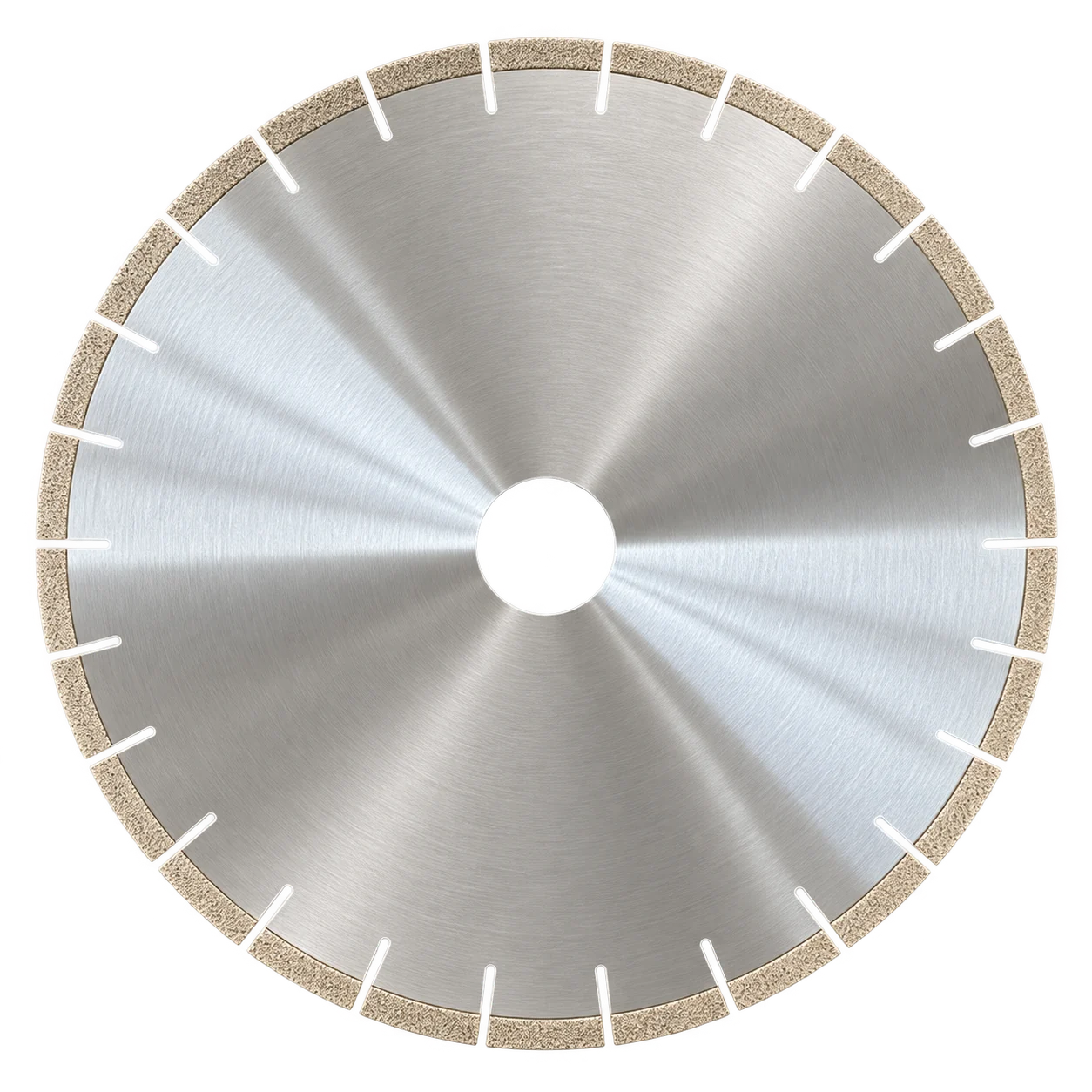
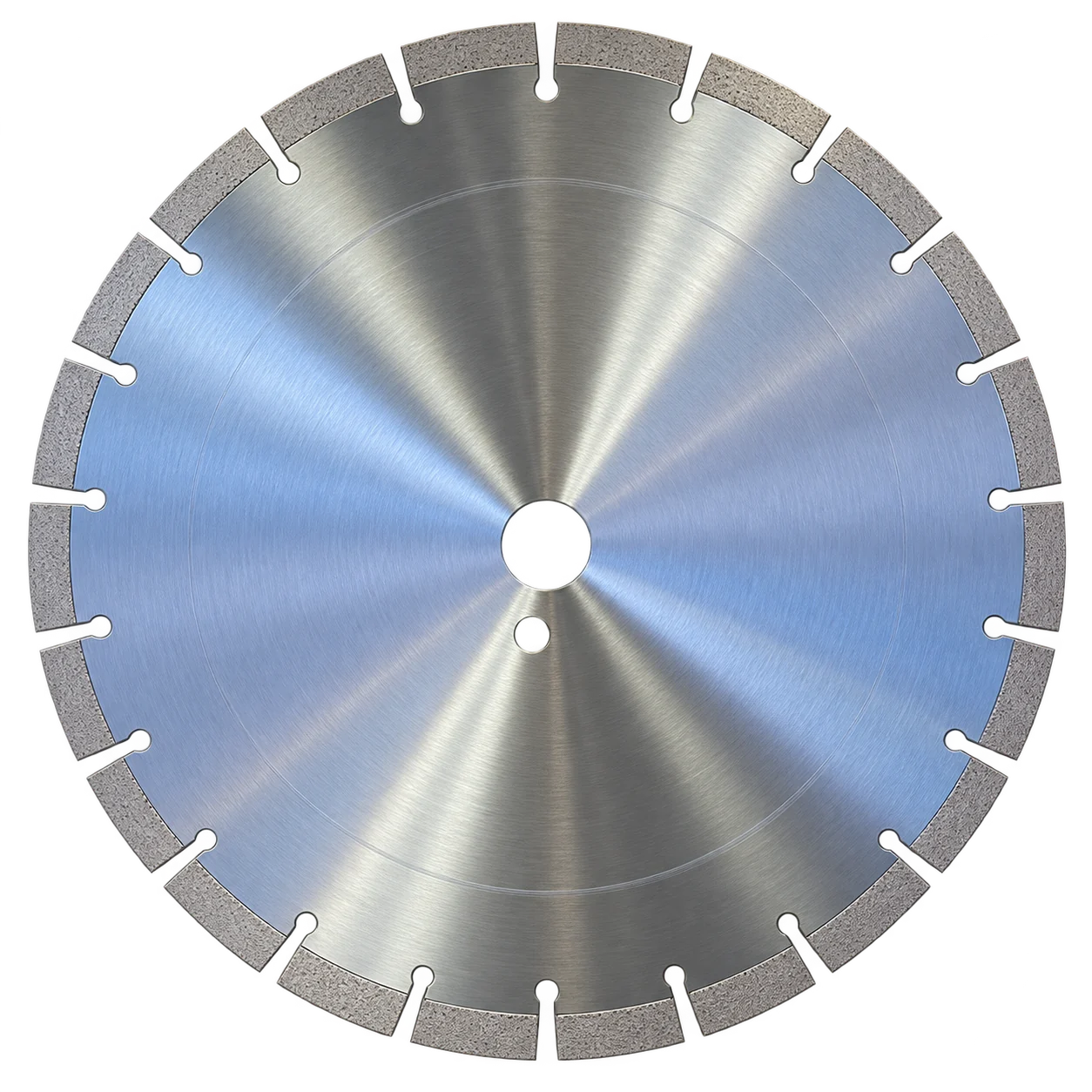
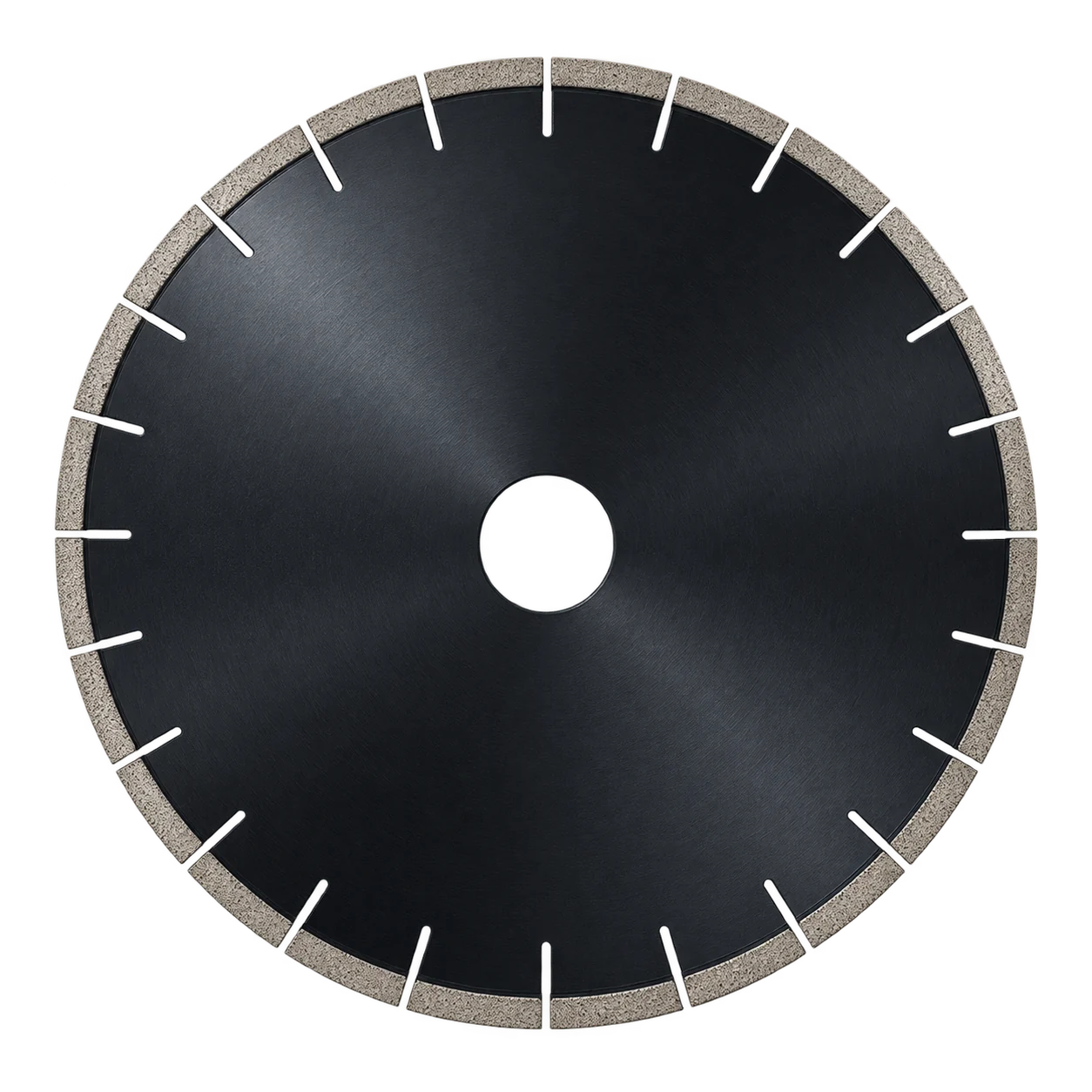
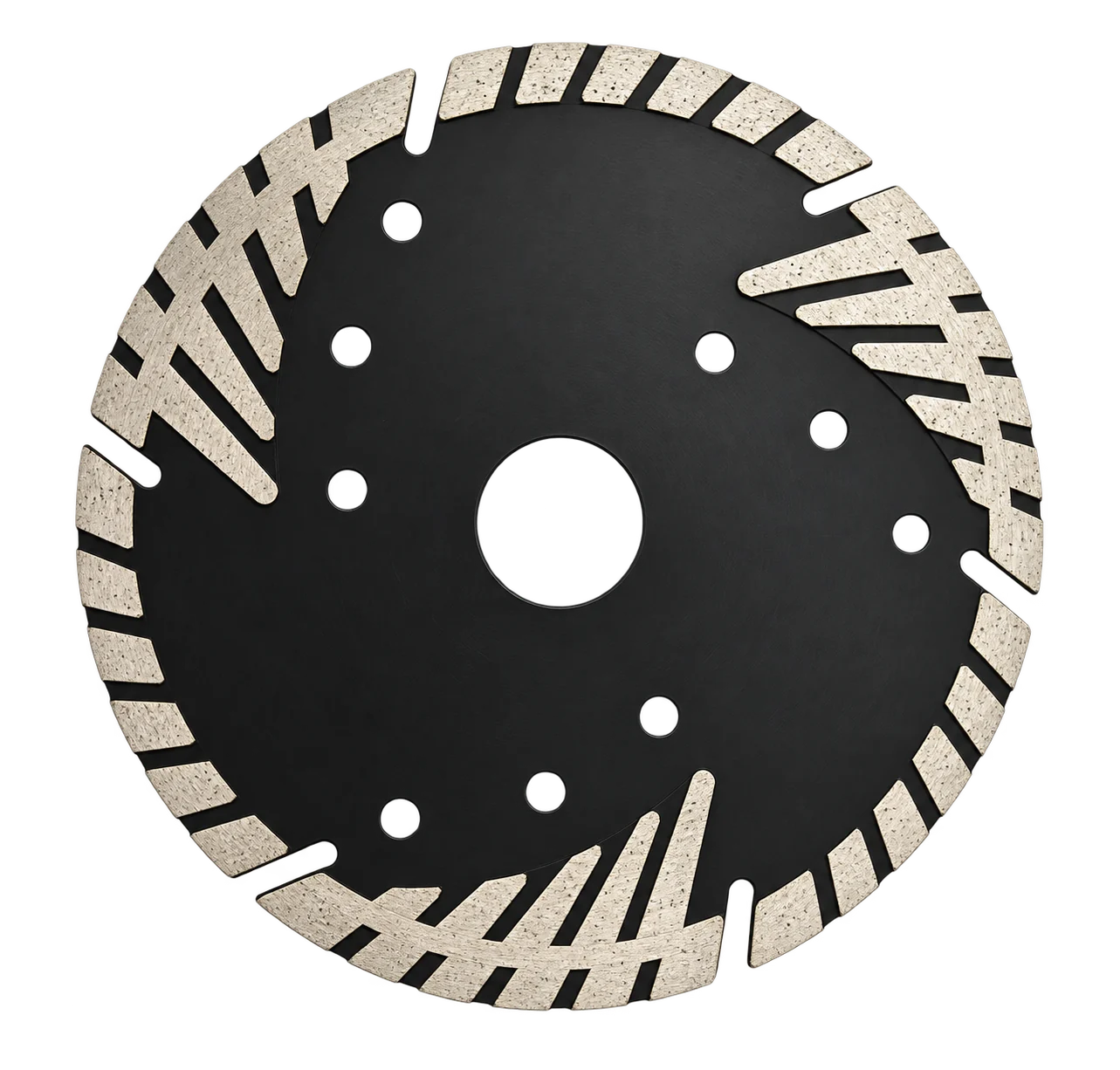
Precision diamond saw blades: Engineered for bridge saws, table saws, and handheld power cutters. Choose straight gullets for rapid stone slabbing, J-slots for chip-free marble cutting, or reinforced turbo cores for deep concrete joint sawing.

Not sure which tool fits your job? Try the 3-Step Wizard

Filter preliminary candidates by material and machine type, then confirm fitment and job conditions

Diamond Tool Models & Specifications

Formulated to match workpiece hardness, machine power and operating linear speed.

Material:
Cooling:
BUYING GUIDE · TECHNICAL SELECTION

How Do You Select the Right Diamond Saw Blade for Your Material and Machine?

Selecting the correct blade requires matching slot geometry, matrix bond hardness, and blade core construction to your stone hardness and machine power.

Diamond Saw Blade Slot Geometry and Application Matrix

Blade Slot GeometryRecommended SubstratesKey Structural BenefitTypical Feed & Water Mode
Straight Keyhole SlotGranite, basalt, cured concreteQZ-SB-GR01, 350mm to 500mm, 50/60mm arborFast chip evacuation, high cutting speed on bridge saws
J-Slot / Fishhook SlotMarble, sintered stone, crystalline tileQZ-SB-MB02, QZ-SB-DK01, 300mm to 400mmSuppresses edge vibration, prevents chipping and spalling
Wide U-Slot with Undercut ProtectionReinforced concrete, green concrete, asphaltQZ-SB-CC01, 350mm to 600mm, 25.4/50mm arborPrevents abrasive slurry from undercutting steel core
Continuous / Mesh Turbo RimPorcelain tiles, ceramics, thin quartz slabsQZ-SB-PC01, QZ-HP-TB01, 115mm to 230mmUltra-thin kerf (1.2-1.8mm), clean cut without edge spalling

Key Saw Blade Terminology Explained

Axial Runout Tolerance

The lateral deflection of the blade rim as it rotates on the arbor flange. Tight axial runout (<0.15mm on 350mm blades) ensures straight cuts and eliminates edge chipping on brittle slabs.

Kerf Width vs Core Thickness

Kerf is the actual width of stone cut by the diamond segments. The side clearance (difference between segment width and steel core thickness) prevents the blade body from pinching and overheating.

Cooling Gullet Dynamics

The open spaces between segments that channel coolant water directly into the cutting contact zone and centrifugal-flush abrasive sludge out of the kerf.

Saw Blade Selection & Operation FAQs

Q1.What spindle RPM should I run for a 350mm (14 inch) diamond blade on granite?

For medium-hard granite, the optimal peripheral speed is 28 to 35 m/s. On a 350mm blade, this corresponds to approximately 1,500 to 1,900 RPM. Always verify speed markings on the blade and machine manual before cutting.

Q2.Why do sintered stone countertop cuts chip at the final exit corner?

Exit chipping happens because internal slab tension releases suddenly when feed speed remains high at the edge. Slow down traversing feed by 50% during the final 50mm of the cut, and use a silent J-slot blade.

Q3.Can I use a wet diamond saw blade for dry cutting in an emergency?

Never run a wet-cutting blade without water. Wet blades rely on coolant to dissipate friction heat. Running dry can soften brazed joints, cause segment detachment, and warp the steel core permanently.

Q4.How do you stop a diamond blade from chipping on 45 degree miter cuts?

To prevent edge chipping during miter cuts: 1) Ensure the mounting flange diameter is at least one-third of the blade diameter to maximize lateral rigidity; 2) Reduce traverse feed rate by 30% to 40% compared to vertical straight cuts; 3) Align dual coolant nozzles directly into the cutting line; 4) Use a silent sandwich core blade with tight axial runout under 0.12mm.