Ceramic & Porcelain Tile Precision Cutting
Ceramic & Porcelain Tile Precision Cutting: Porcelain tile cutting and 45° edge beveling; verify edge quality on the target tile. Follow the matched cutting, grinding, and polishing sequence below.
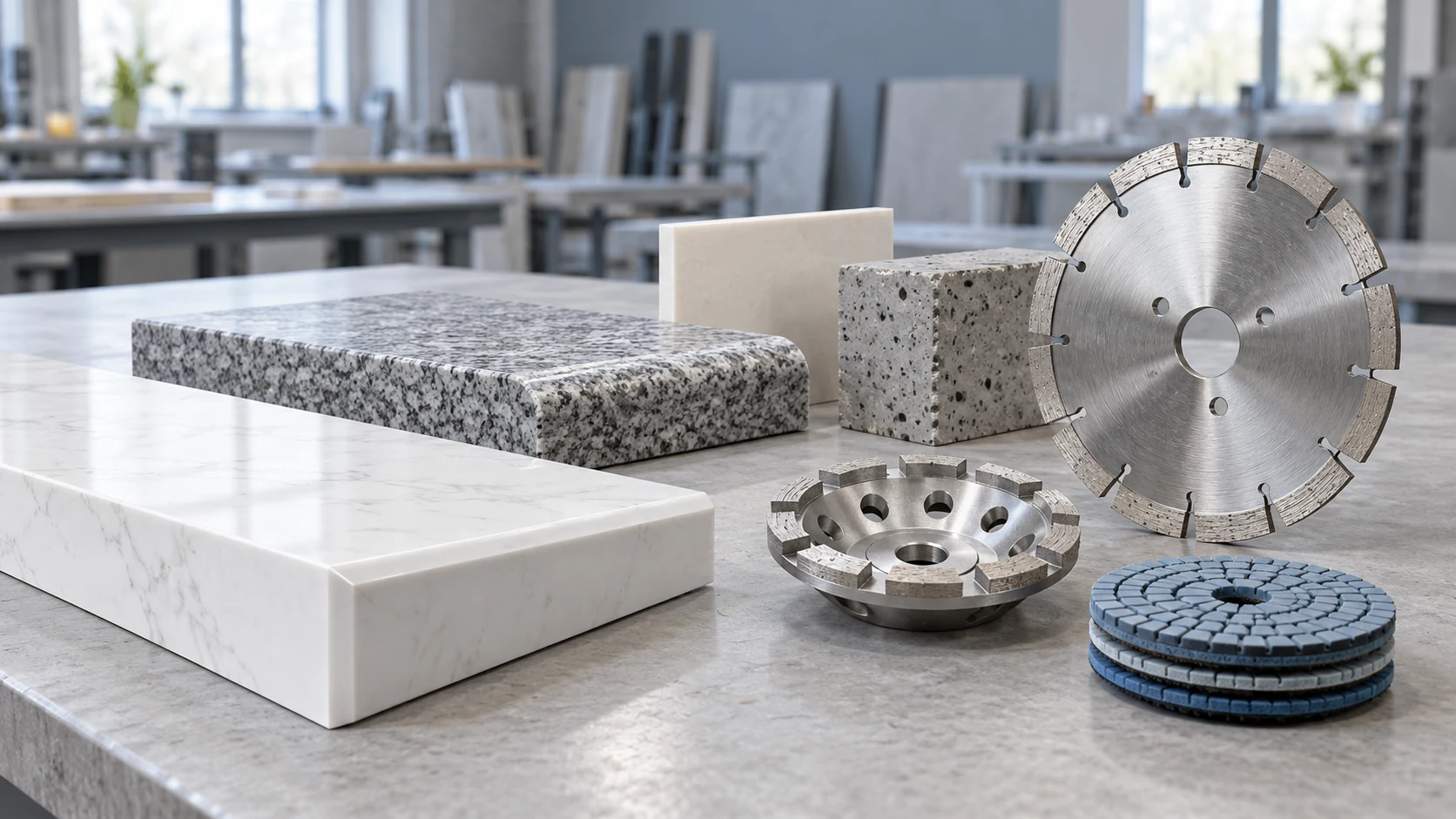
How Do You Match Machining Workflows and Tool Selection by Material?
Compare material applications below, then select a workflow to review the full tooling chain and defect troubleshooting.
| Material | Application Focus | Process Scope |
|---|---|---|
| Sintered Stone | Sintered Stone & Quartz Countertop Fabrication | Complete tooling workflow: slab sizing, 45° waterfall miters, sink cutouts, and edge polishing. |
| Granite | Granite & Marble Slabbing & Block Extraction | Specialized segment bond chemistry for high-quartz granite slabbing and crack-sensitive marble blocks. |
| Concrete & Floors | Concrete Road Sawing & Floor Grinding Prep | Road sawing, expansion jointing, and multi-stage planetary floor grinding; confirm blade welding process per order. |
| Ceramic & Tile | Ceramic & Porcelain Tile Precision Cutting | Porcelain tile cutting and 45° edge beveling; verify edge quality on the target tile. |
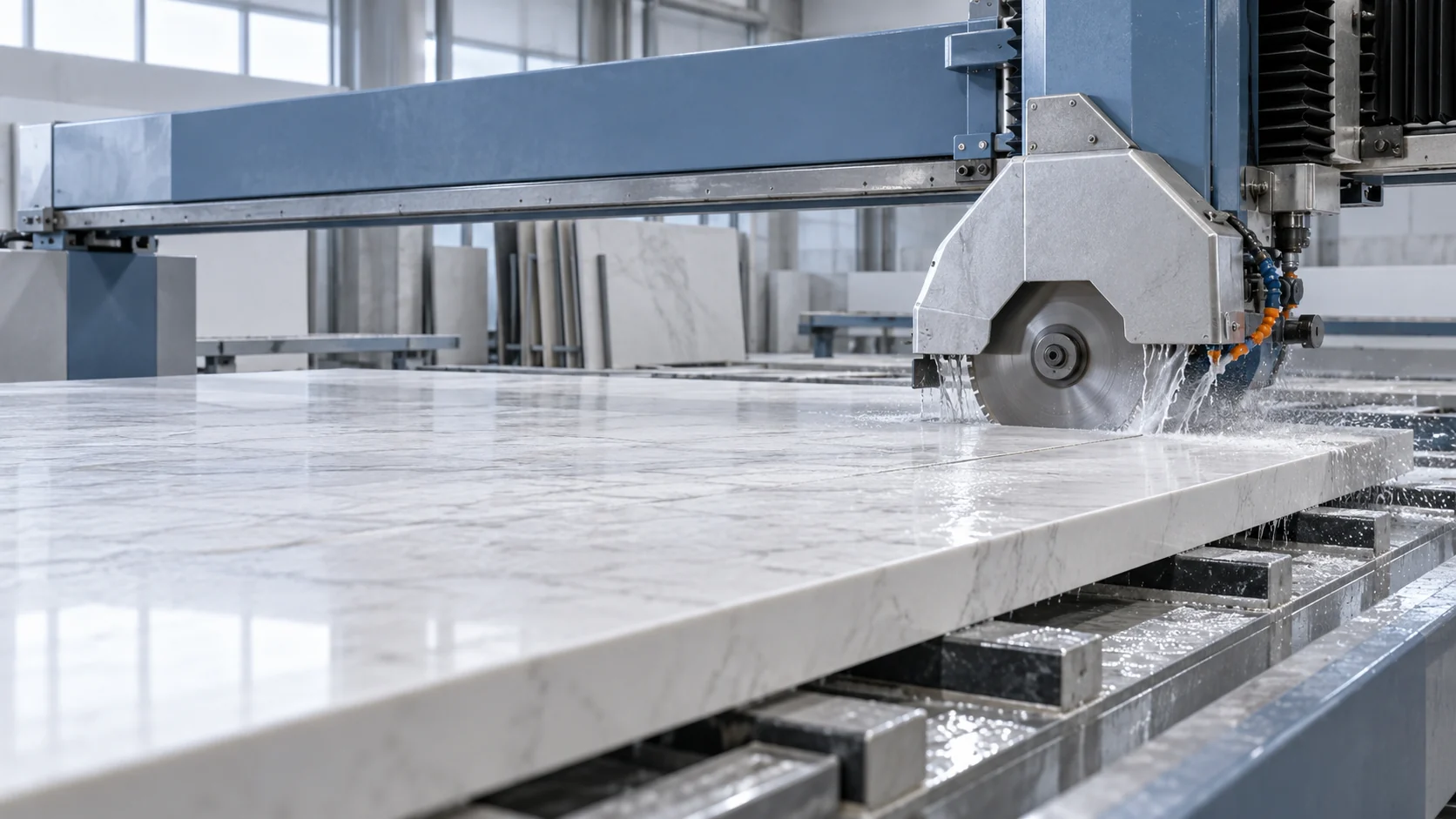
Sintered Stone & Quartz Countertop Fabrication
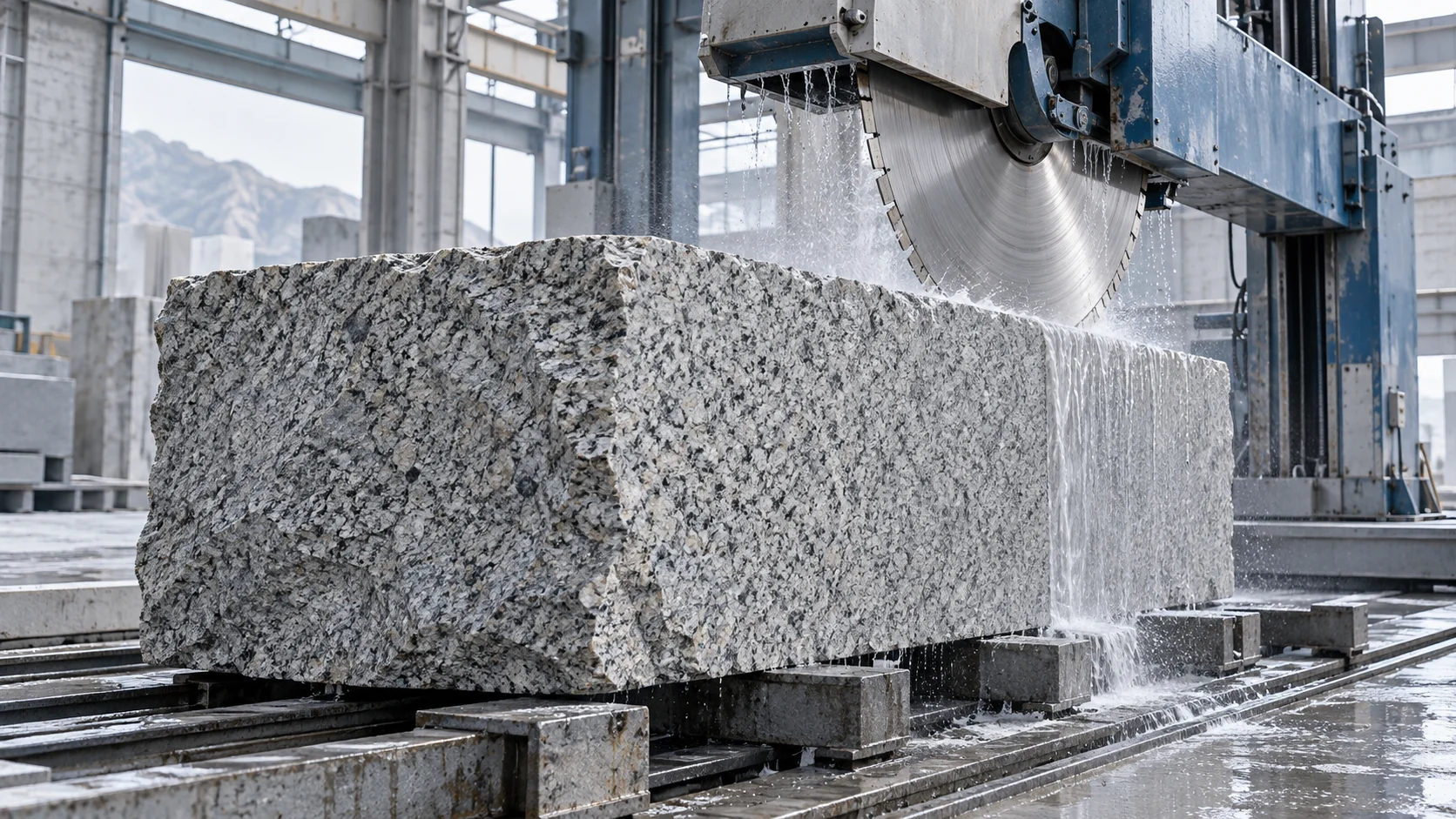
Granite & Marble Slabbing & Block Extraction

Concrete Road Sawing & Floor Grinding Prep
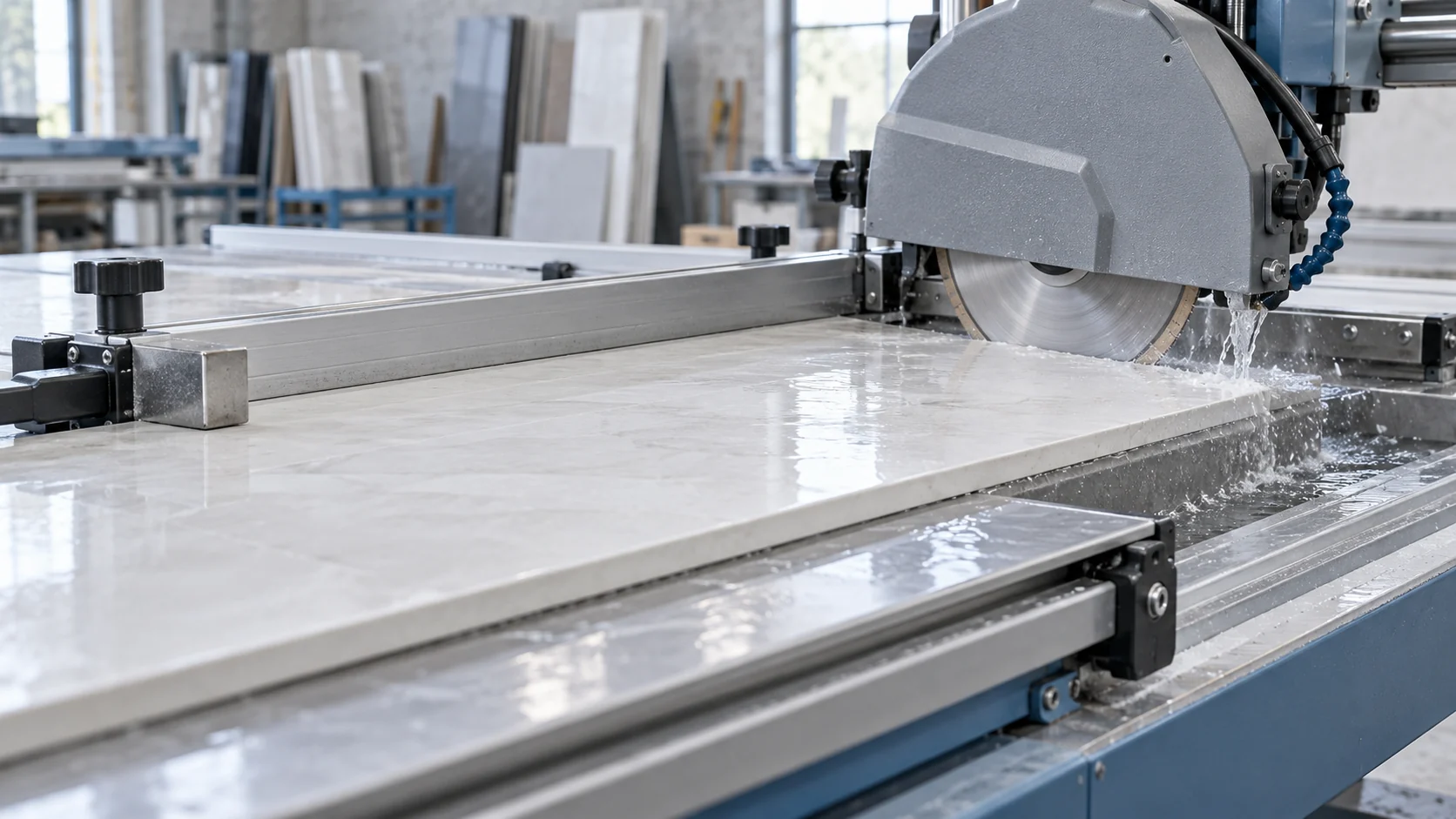
Ceramic & Porcelain Tile Precision Cutting
Ceramic & Porcelain Tile Precision Cutting
Porcelain tile cutting and 45° edge beveling; verify edge quality on the target tile.
Diamond Tooling Selection & Machining Fit: Tile glaze and body properties vary. Check chipping on the target tile with the intended blade, support, cooling, and feed.
Recommended Machining Workflow & Tooling Chain
Straight Rip & Cross Cutting
Mesh Rim Ceramic Blade QZ-SB-PC01
Note: Check the cut on a compatible table or rail-guided wet saw; avoid side loading the blade
45° Miter Beveling
V-Groove Chamfer Blade QZ-GV-V90
Note: Confirm landing-edge thickness with tile-maker and machine guidance, then trial-cut
Common Field Failures, Root Causes & Remedies
Blade thickness too bulky (>2.0mm) causing excessive friction, or thin core flutter.
Consider QZ-SB-PC01 for a compatible table or rail-guided wet saw; verify edge and vibration results on the target tile.
Operating Checklist to Confirm Before Ordering
To help match the tool to the job, prepare the following parameters:
- Tile substrate (Full-body porcelain / Glazed ceramic / Microcrystalline / Wall tile)
- Machine type (handheld grinder or table/rail-guided wet saw), blade diameter, and connection
- On-site environment (Dry cutting with dust shroud or Wet saw with water pump)
Matched Products in This Solution
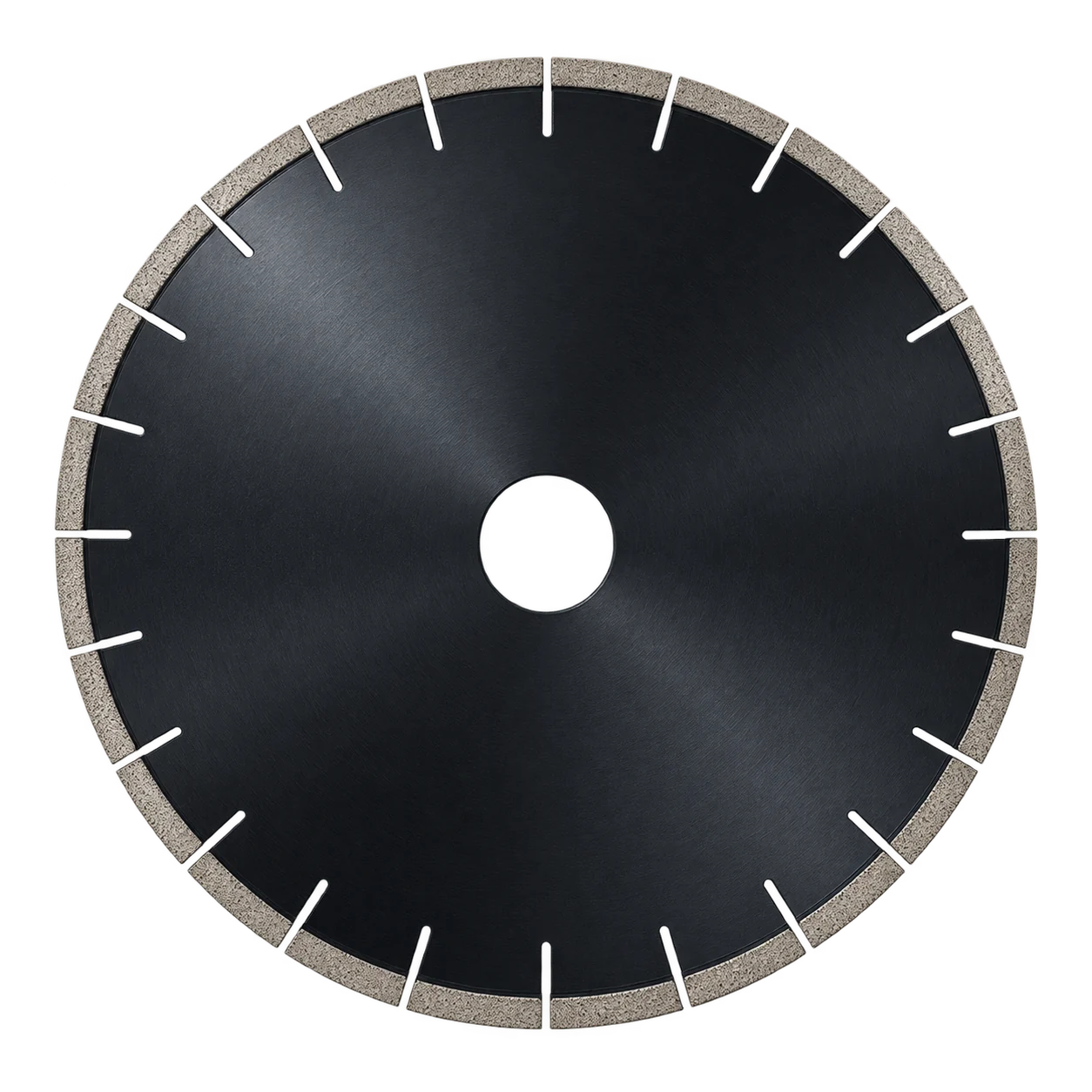
Diamond Blade For Porcelain & Ceramic Tiles
For ceramic and porcelain tile edge cutting; verify edge condition and glaze chipping on the target tile and machine in a trial.
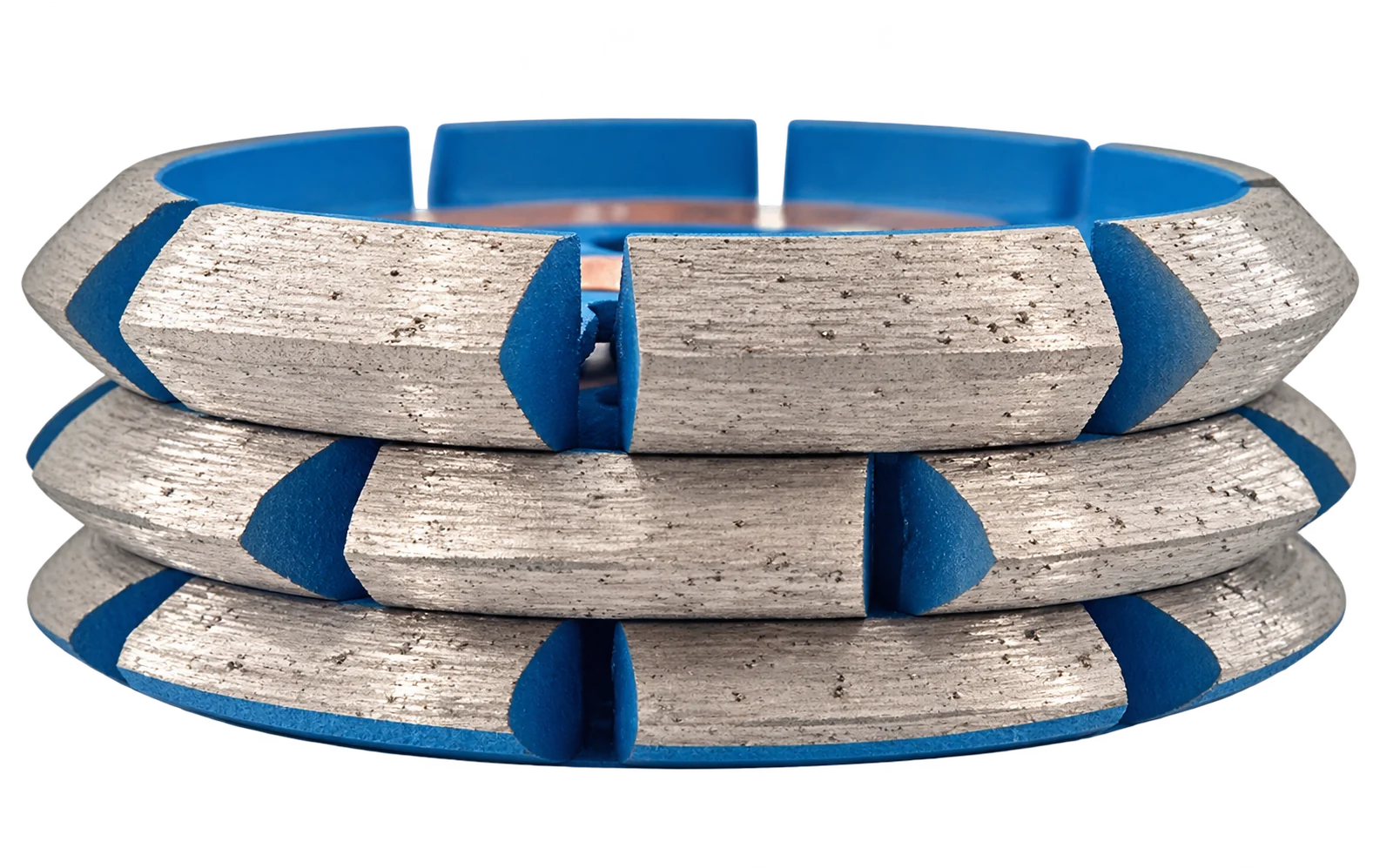
V-Shaped Slot Blade (90° Miter & Chamfer)
Application: Marble, Dekton, Ceramic. Diameters 110/125mm, thicknesses 6/8/10/15mm, arbor 20/22.23mm.
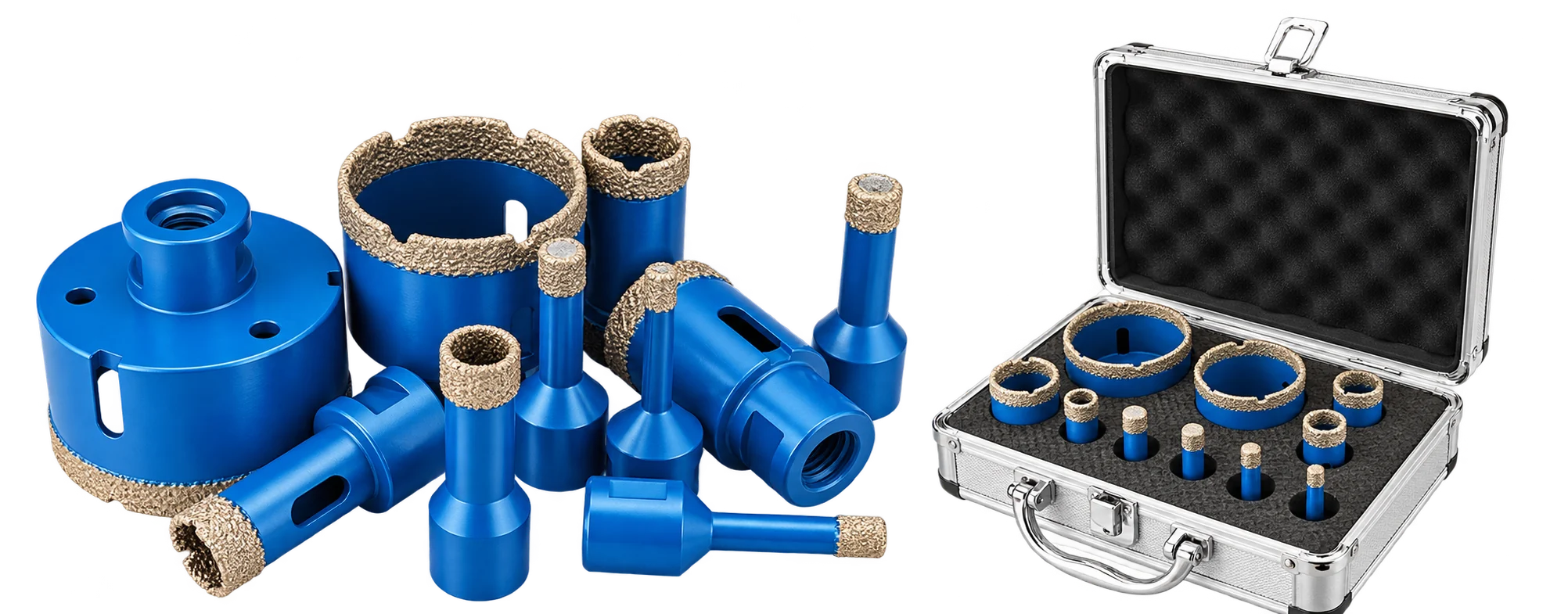
Vacuum Brazed Core Drill Bit & Finger Profile Bit
Wax-filled core bits for countertop drilling; confirm dry-use conditions, machine fitment and hole quality on the target material.
Common Machining Bottlenecks & Engineered Remedies
Targeting real-world cutting and grinding challenges: edge chipping, floor tool glazing, block saw stalling, and OEM supply chain bottlenecks.
Edge Chipping & Corner Blowout on Sintered Stone Mitering
Micro-chipping and serrated spalling along cutlines or jagged 45° miter joints, causing high-value countertop slab rejections or tedious manual repairs.
Chipping may depend on the slab, blade condition, support, spindle runout, cooling, or feed. Record the defect location and check each factor.
- Check tool-marked maximum RPM and machine limits; record current peripheral speed
- Record straight and miter feed, then adjust in a trial against slab and machine guidance
- Inspect entry and exit chipping; adjust support and feed as needed
- Confirm coolant reaches the blade and workpiece contact zone
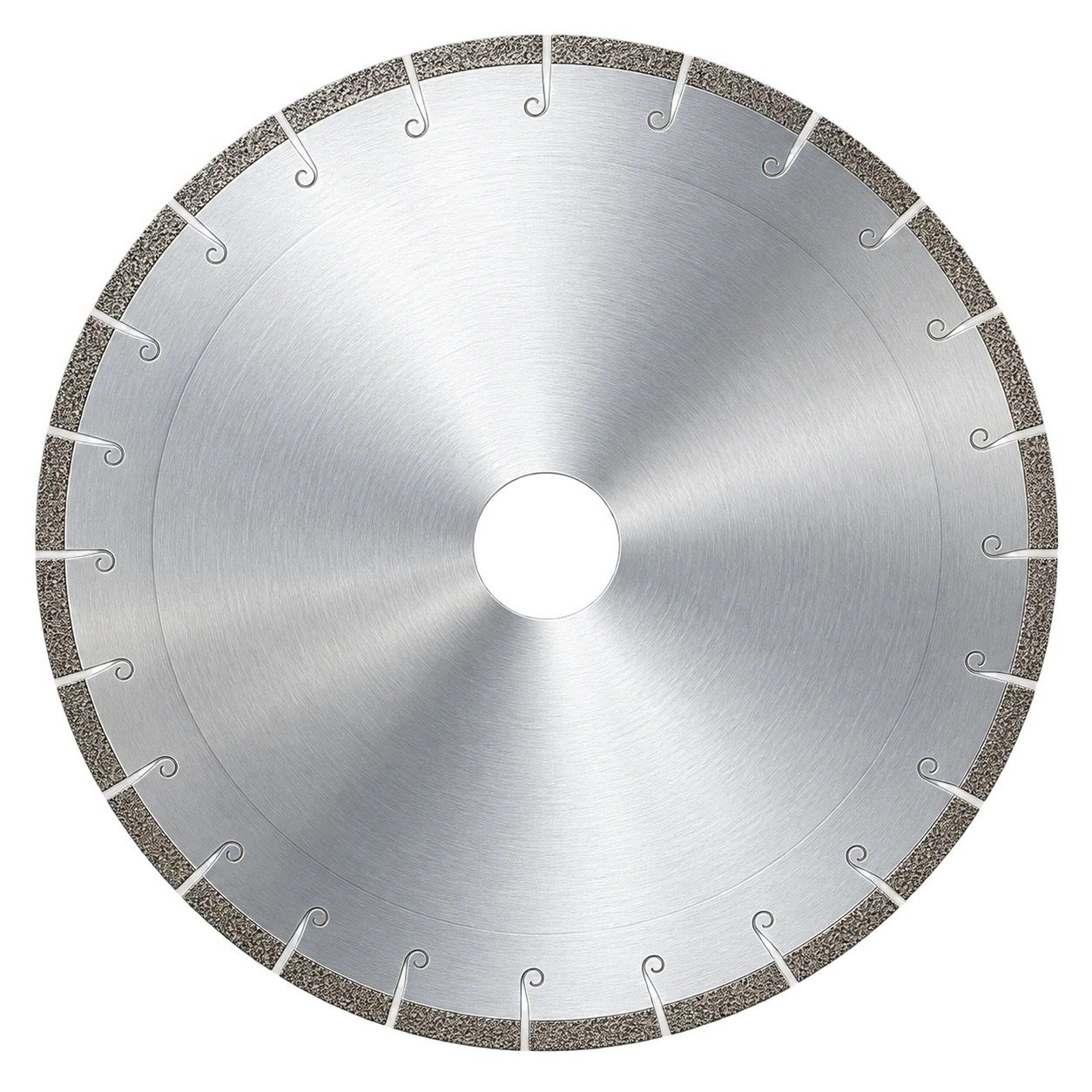
Diamond Blade For Dekton & Sintered Stone (J-Slot Silent)
Thin-segment blade listed for 3-20mm slabs; verify edge quality and wear in a trial cut on the target material.
Share your slab thickness, machine spindle RPM and power. We will review peripheral speeds and match trial specifications.