Dry vs. Wet Diamond Polishing Pads: Comparison and Field Rules
Choose by the pad’s wet/dry rating, site water supply, dust controls, and finish target; trial the surface.
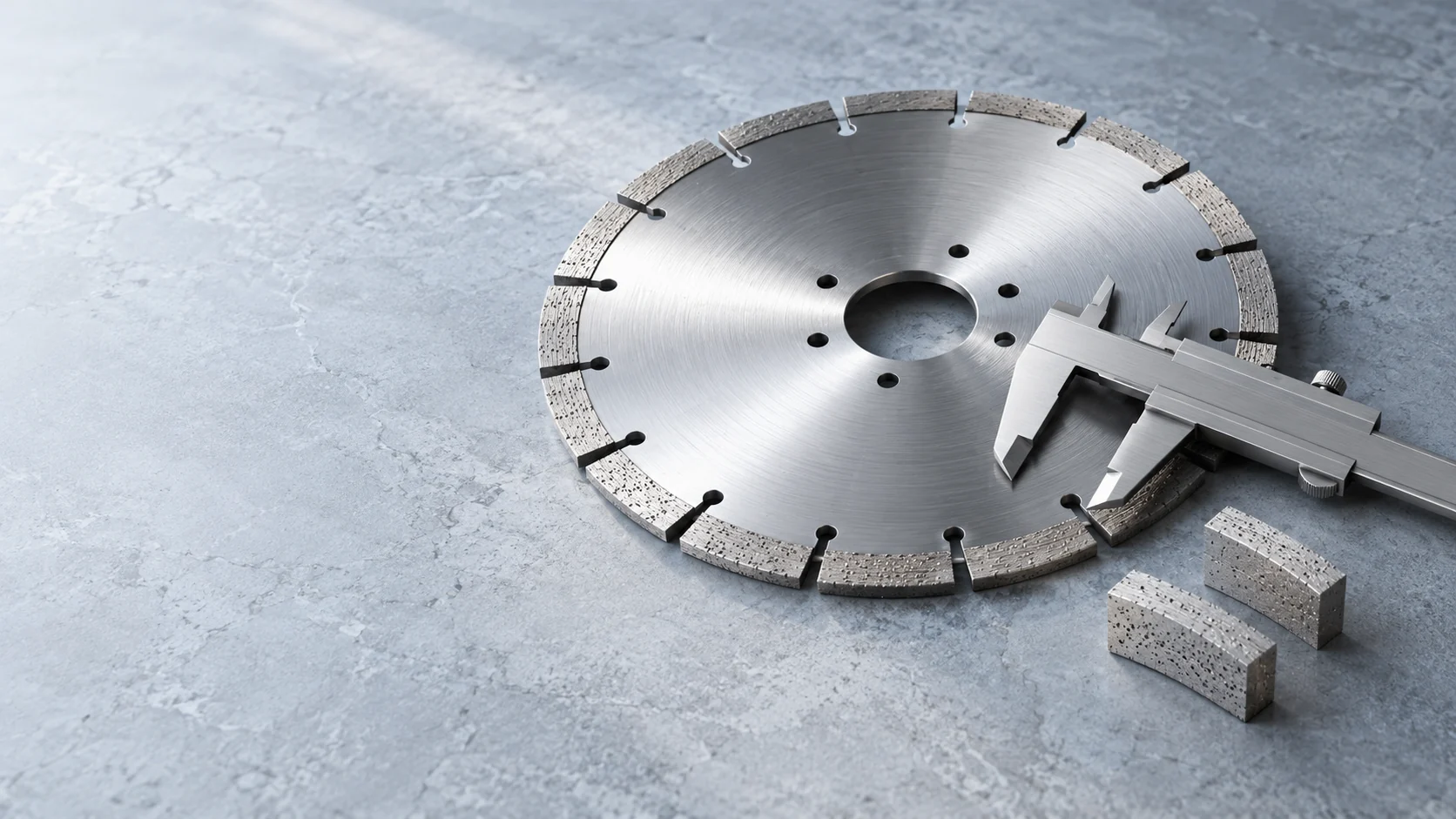
Selection guidance depends on material, machine, and working conditions. Confirm RPM, feed, and cooling against tool markings and machine instructions, then trial the target material.
Content compiled by ADAMA CUT. Compare product specifications with the original Hubei Qianzhao Diamond Tools catalog; verify general process guidance on the actual machine and material. Source catalog PDF
Direct answer
Where water is available and the pad is rated for wet use, wet polishing is an option. Where water is unavailable, select only a pad explicitly rated for dry use and compatible with the machine. A dry rating does not make every speed or continuous contact safe; do not run a wet-only pad dry.
Wet-use checks
Confirm the pad and machine’s wet rating, that water reaches the contact area, slurry handling, and electrical protection. Water can carry away debris and heat, but gloss, color, and pad wear need a trial on the actual material through the intended sequence.
Dry-use checks
Confirm the pad’s marked maximum speed, machine speed range, contact method, and dust controls. Working silica-containing materials can produce hazardous dust. Select water or local exhaust controls as required by applicable rules and a worksite risk assessment; a dry-rated pad is not evidence of dust safety.
Surface troubleshooting
If heat, discoloration, scratches, or uneven gloss appear, stop and inspect pad condition, grit sequence, pressure, dwell time, and cooling or extraction. Test light-colored material on a sample; resin color is not a universal stain-prevention guarantee.
Compiled by ADAMA CUT. The source catalog and industry references below do not imply endorsement or certification of our products. Follow the specific tool markings and machine instructions, then trial the target material.
Blade Peripheral Speed & RPM Conversion
Enter blade diameter and spindle RPM to calculate peripheral speed: v = π × D(mm) × n(rpm) / 60000.
Converts only the target you enter; this tool does not recommend a material speed.
—
A calculation is not a safe-speed or fitment approval. Do not exceed the tool-marked maximum RPM or machine limits. Confirm material, cooling, and feed conditions with a trial cut.
Need the Complete Technical Spec Sheet Offline?
View the original Hubei Qianzhao Diamond Tools Co., Ltd. catalog. ADAMA CUT is its overseas business brand; verify specifications against the source page and confirmed documents.